
The Hidden Link Between Poor Air Quality and Product Defects
Product defects are expensive, frustrating, and often difficult to trace. When something goes wrong, most businesses look at machinery, materials, or operator error. But what if the real issue isn’t visible at all?
Poor air quality is one of the most overlooked causes of product defects in manufacturing environments. Airborne dust, fumes, and microscopic particles can quietly contaminate processes, interfere with materials, and compromise product quality without any obvious warning signs. 1µg/m3 reduction in fine particulate air pollution in England could prevent around 50,900 cases of coronary heart disease, 16,500 strokes, 9,300 cases of asthma and 4,200 lung cancers over an 18 year period.
Understanding this hidden connection is key to improving both production efficiency and product reliability.
Poor air quality in industrial environments
Poor air quality in industrial settings is not just about visible dust. It includes a wide range of airborne contaminants such as fumes, vapours, aerosols, and fine particulates generated during everyday processes.
Activities like welding, soldering, laser cutting, and chemical handling release contaminants into the air. Without proper control, these particles remain suspended and circulate throughout the workspace. Because many of these contaminants are invisible, they are often underestimated. However, their impact on production can be significant.
Early warning signs of poor air quality
In many cases, the first sign of poor air quality is not a product defect; it is the people working in the environment.
Symptoms such as headaches, fatigue, eye irritation, and respiratory discomfort are common in spaces where air quality is compromised. While these are often seen as health and safety concerns, they are also a strong indicator that airborne contaminants are present in the wider production environment.
If employees are being affected, it is highly likely that your products are too.
What issues can poor air quality cause to production processes?
Poor air quality can interfere with production in ways that are not always obvious. Contaminants can settle onto surfaces during critical stages of manufacturing, leading to visible and invisible defects.
- In coating and finishing processes, dust particles can land on surfaces before they dry, causing imperfections.
- In electronics, microscopic contaminants can interfere with circuitry and reduce reliability.
- In processes involving adhesives or resins, airborne chemicals can disrupt curing and bonding.
These issues often lead to increased rejection rates, more rework, and reduced consistency across batches.
Industries most affected by poor air quality
The link between poor air quality and product defects is particularly strong in industries where precision is critical. Some examples include:
- Pharmaceutical and cleanrooms: these environments rely on strict air control to maintain product safety and integrity.
- Automotive and aerospace: these industries face strict quality standards, where surface defects and inconsistencies can lead to costly failures.
- Advanced and additive manufacturing: processes like welding and laser cutting require incredible accuracy and, therefore, are also heavily affected by the volume of fumes and particulates generated.
The real cost of poor air quality
The financial impact of poor air quality goes beyond individual businesses. The ripple effect of defective products can extend across an entire supply chain.
As a manufacturer, you may see an increase in wasted materials, labour costs, and production times. Equipment may also require more frequent maintenance due to dust build-up. But over time, these issues can impact quality control and ultimately harm your relationship with buyers.
The issue here is that many businesses focus on fixing defects after they occur, rather than addressing the underlying cause. This reactive approach increases long-term costs and reduces efficiency.
How to improve air quality and reduce defects
So, how do you avoid costly mistakes caused by poor air quality? The solution lies with contamination control.
Airborne particles and fumes do not stay contained to one area. Without proper extraction, they spread throughout the environment and become part of the production process. This means contaminants can settle onto products, mix with materials, or interfere with precision operations at the worst possible moment. In industries where tolerances are tight, even the smallest contamination can lead to failure.
But, with an LEV system designed to capture fumes and particles as they are generated, manufacturers can prevent them from spreading throughout the workspace, contaminating products and harming operators.
Whilst regular maintenance and air quality monitoring are essential to maintaining consistent performance and identifying potential issues early, adopting this proactive approach allows businesses to reduce defects, improve efficiency, and create a more controlled production environment.
Why general ventilation falls short
Whilst some facilities may rely on general ventilation systems to manage their air quality, it’s important to understand these systems only circulate the air within the facility; they do not remove contaminants at the source.
Instead, they spread the airborne particles across the workspace, increasing the likelihood of contamination and exposure, rather than preventing it. For hazardous or sensitive processes, this approach simply isn’t enough. Contaminants need to be captured at the point they are created to prevent causing issues further down the line.
How Purex supports clean air and quality control
At Purex, we design, supply and install fume extraction systems across the globe. Made to capture airborne contaminants at the source, we can tailor our air filtration systems to your unique business needs.
From electronics manufacturing to industrial processing, we have over 40 years of experience creating cleaner environments to support businesses by protecting their people, products and profit margins.
Latest insights
-
Purex Fleet Investment: Strengthening LEV Service, Response Times and Growth
When your business relies on local exhaust ventilation, delays impact compliance, safety, and productivity, and are just all-around inconvenient.... Read more -

The Dangers of Secondary Dust Exposure in Production Facilities
Most businesses are aware of the dust created during production. What goes unnoticed is what happens afterwards. Secondary&nb... Read more -
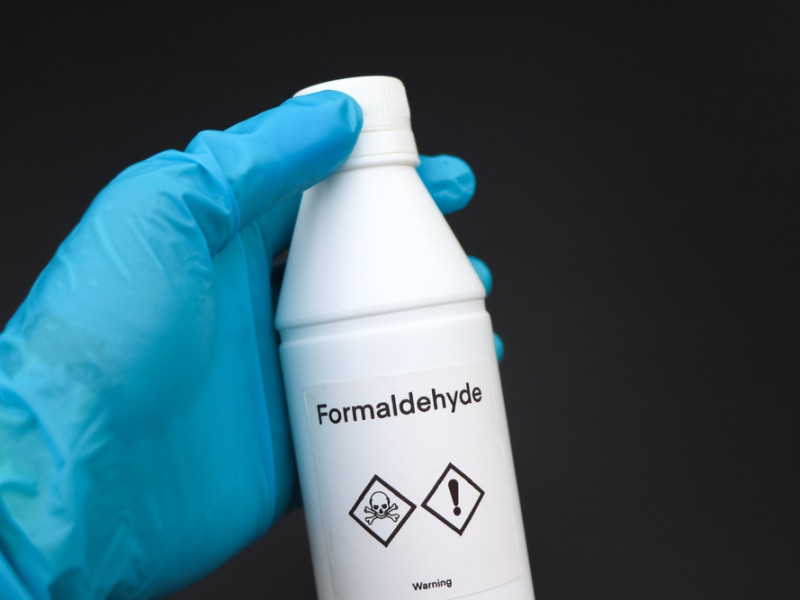
What Is Formaldehyde? Smell, Health Effects and What It Does to the Body
Formaldehyde is one of the most commonly encountered chemical hazards in industrial and laboratory environments, yet many people are unaware... Read more
How Purex can help
We provide an excellent level of service and support, including our 24-hour technical support service and start-to-end projects. Get in touch with our expert team today to find out more.