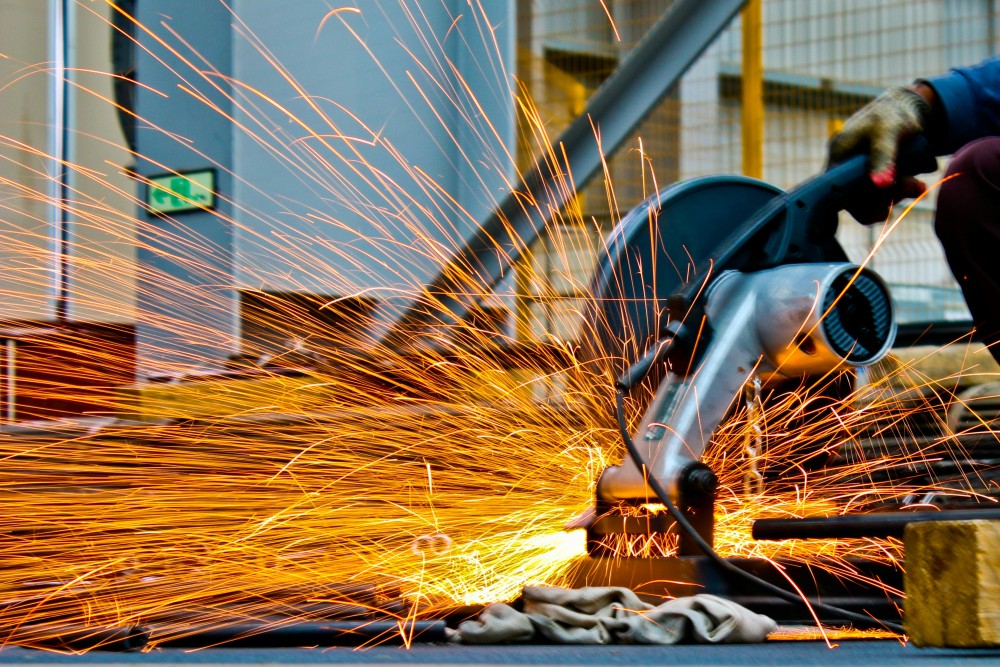
Extraction Strategies for High-Heat Processes
Soldering, smelting and casting all generate intense heat and with that heat comes fumes, vapours, metal particulates and gases that can quickly build up to unsafe levels. These emissions are usually invisible and easily inhaled, meaning that over time it can pose significant respiratory and long-term health risks.
Workplaces that rely on high-heat processes need an extraction strategy that not only removes contaminants effectively, but also withstands the harsh conditions created by extreme temperatures. After all, high-heat extraction isn’t only about compliance. It’s about protecting the people who work closest to these processes every day.
Common Airborne Hazards in High-Heat Environments
Metal Fumes
Heating metals such as lead, tin, zinc, aluminium or copper can release fine particulates and fumes, many of which are harmful when inhaled. For example, inhaling zinc fumes during casting can cause operators to experience Metal Fume Fever (MFF), resulting in symptoms like fatigue, muscle aches and a high temperature.
Flue Gases
Industrial high temperature processes can produce exhaust gases like carbon monoxide (CO), nitrogen oxides (NOx) and hydrogen chloride (HCl). Without sufficient ventilation, flue gases can accumulate quickly, increasing the risk of respiratory issues and, in some instances, fire hazards.
Metal Fluxes
Flux is a chemical agent used in soldering to prevent oxidation, combat erosion and help create strong, quality metal joints. However, when exposed to extreme heat, flux can form harmful gases like ammonia (NH3) and Hydrochloric Acid (HCl).
Ultrafine Particles
Processes like smelting and casting generate particles small enough to penetrate deep into the lungs. These hazards show why a generic ventilation setup is never enough, targeted extraction is essential.
Extraction Strategies for Soldering, Smelting and Casting
1. Removing fumes at the source
Source capture removes contaminants as soon as they’re emitted. It’s the most effective method for soldering benches, small casting stations and smelting pots.
Effective tools include:
- Local extraction arms
- Bench-top hoods
- Enclosed soldering booths
Our iFume units offer automatic airflow adjustment to maintain safe capture during various high-heat processes.
2. Partial enclosures for heat-intensive processes
When heat output is too high for traditional hoods, partial enclosures offer effective containment without restricting operator access.
Examples include:
- Pivoting hoods for smelting pots
- Casting table enclosures
- High-temperature fume hood structures
Pairing these with high-capacity units increases extraction efficiency. We recommend our 1500i and 2000i Series, offering heavier particulate loads and higher fume volumes.
3. Downdraft Extraction Tables
Downdraft tables pull fumes downward and away from the breathing zone, ideal for:
- Molten metal pours
- Jewellery casting
- Bench-based metalworking
They work well when combined with flexible Purex accessories such as flexible arms, hoods, ducting and HEPA/carbon filters.
Explore our full range here.
4. High-Temperature rated filtration
High-heat emissions often require specialised filtration to block particulates and adsorb harmful gases.
At Purex, we use:
- HEPA filtration for fine particulates
- Activated carbon for gases and vapours
- Specialised filters suitable for flux fumes, metal vapours and smelting by-products
Correct commissioning and filter selection ensure compliance, whilst effectively maintaining your fume extraction.
5. Dilution ventilation as a secondary control
General ventilation can support extraction by reducing heat build-up and lowering background contaminants. However, these generic ventilation methods should be supplementary, not a replacement LEV as harmful fumes are too concentrated at the source.
Improving workplace safety with Purex
Our clean air systems are designed to deliver reliable performance across even the most demanding environments. From compact soldering units to high-capacity extraction for casting and smelting, we have a system for you.
If your workplace relies on soldering, smelting or casting and needs support choosing or maintaining an extraction system, explore our full product range or contact us directly to discuss the safest and most effective solution for your process.
LET US HELP IMPROVE YOUR INDUSTRY
FAQs
Do high-heat processes require LEV by law?
Yes. Under COSHH and HSE guidance (HSG258), employers must control exposure to fumes and particulates generated during high-heat operations. LEV is the primary recommended method; explore our LEV services here.
Is standard ventilation enough for soldering or casting?
No. General ventilation cannot effectively remove contaminants for safe operations - local extraction is essential.
What filters do I need for metal fumes?
Metal fumes may require a variety of filters. HEPA filters capture particulates, while carbon filters remove gases and vapours. Purex offers filter combinations tailored to your unique metalworking and casting needs.
How often should extraction systems be serviced?
LEV systems require a thorough examination at least every 14 months in adherence with COSHH regulations, with filter checks carried out more frequently.
Latest insights
-
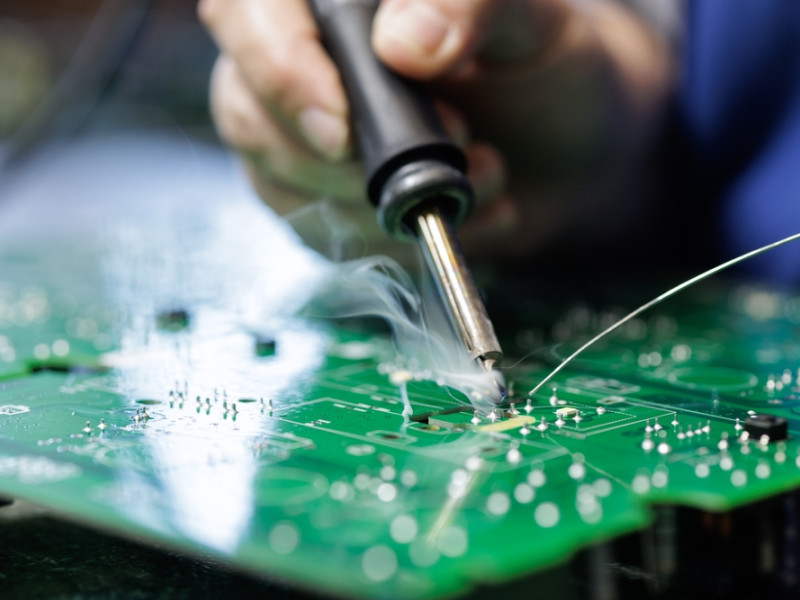
The Dangers Of Soldering Fumes
The thin trail of smoke rising from a soldering iron may disappear quickly, but that does not mean the contaminant has left the air. Heating fl... Read more -
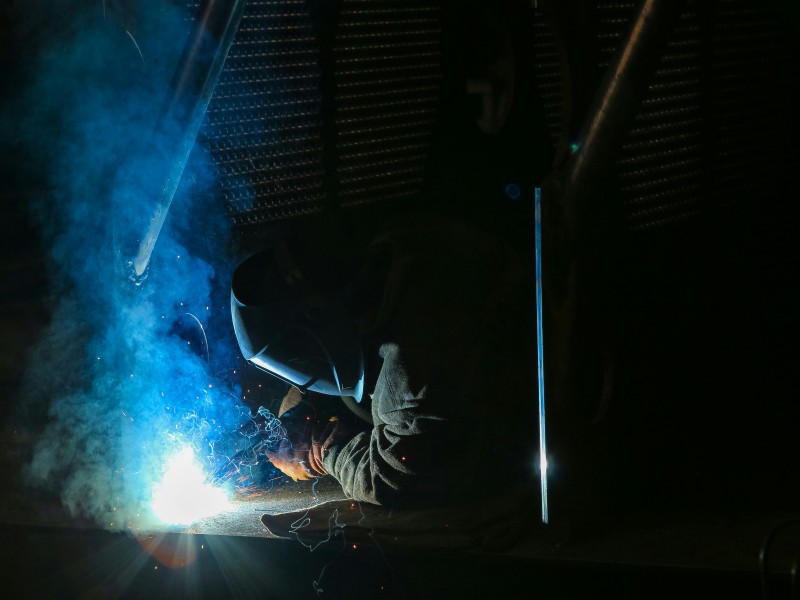
The Most Common Airborne Contaminants Found in Industrial Workspaces
Cutting, heating, spraying, welding and cleaning can all release contaminants into the air. Some are easy to see, such as a cloud of dust, while fine... Read more -
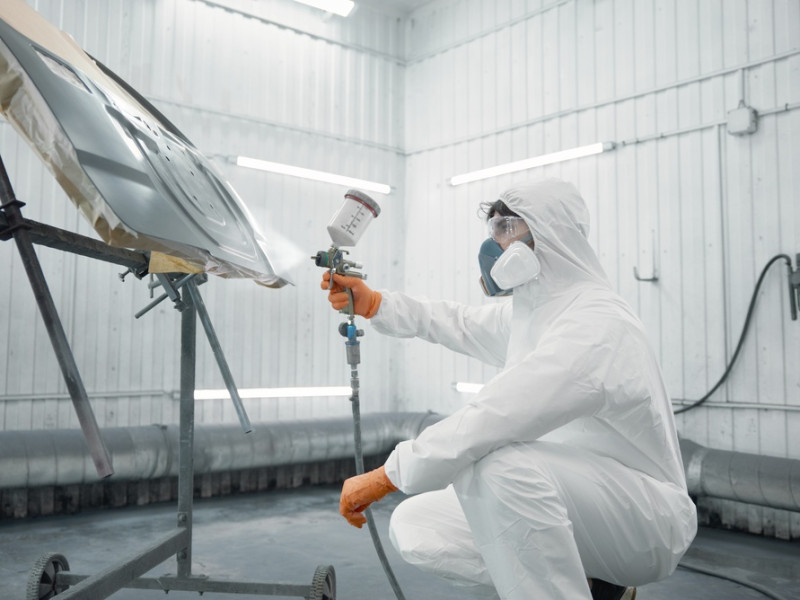
Can Paint Fumes Kill You? How Long They Stay in Your System and What to Do After Exposure
Painting and coating processes can release vapours, gases and fine particles into the air. Without effective controls, employees may inhale these cont... Read more
How Purex can help
We provide an excellent level of service and support, including our 24-hour technical support service and start-to-end projects. Get in touch with our expert team today to find out more.