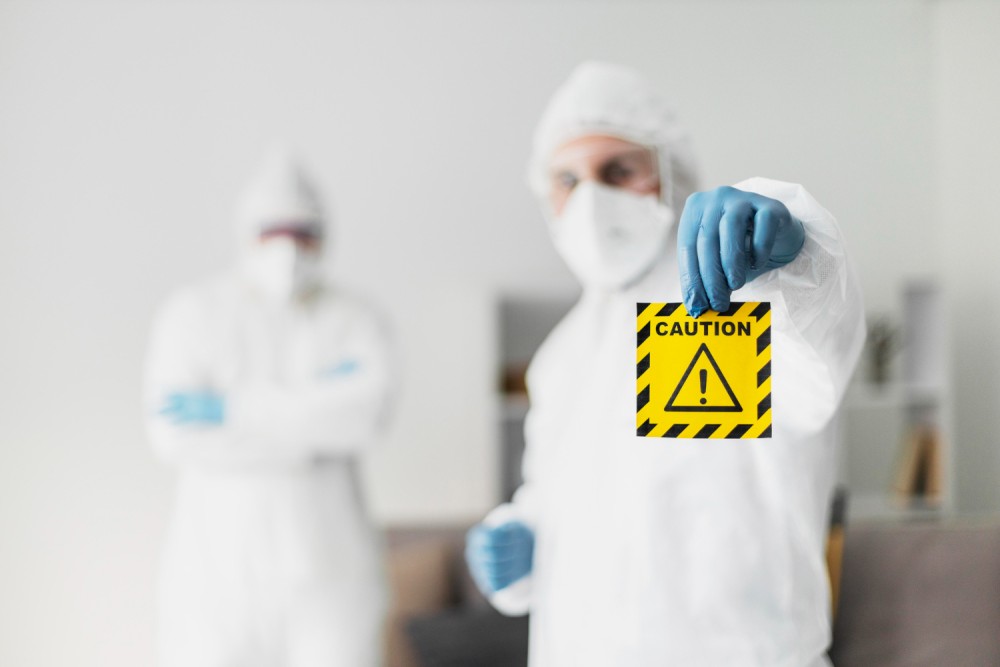
The Dangers of Aluminium Dust Exposure
Aluminium may seem harmless in solid form, but once it’s cut, sanded, ground or polished, it produces fine dust that becomes a genuine health and safety issue. These particles can linger in the air and are easily inhaled, carrying risks far beyond simple irritation.
From respiratory concerns to explosion hazards, aluminium dust is something every workshop, fabrication space and production facility must control properly. This blog explores the dangers involved and highlights the extraction solutions that help maintain a safe working environment.
What Makes Aluminium Dust Hazardous?
1. Respiratory Risks
Aluminium dust can penetrate deep into the lungs, causing:
- Throat and airway irritation
- Breathing discomfort during prolonged exposure
- Inflammatory responses
Chronic exposure has also been linked to long-term respiratory issues, especially in environments with poor ventilation.
2. Potential for Aluminium Pneumoconiosis
Although this is rare, long-term exposure to aluminium dust has been associated with aluminium pneumoconiosis, which is a lung condition caused by the build-up of fine metallic particles.
Workplaces such as metal polishing lines, grinding stations and finishing rooms face the highest risk.
3. Fire and Explosion Hazards
One of the biggest risks associated with aluminium dust is that it’s highly combustible. When dispersed in the air, fine aluminium particles can ignite and create an explosive atmosphere if not properly controlled.
Industries working with CNC machining, powder handling, foundries and finishing operations are especially vulnerable to aluminium particles, which is why targeted extraction, not just general ventilation, is essential.
Where is Aluminium Dust Exposure Most Common?
Aluminium dust is produced in many everyday manufacturing processes, including:
- Polishing and finishing
- Grinding and abrasive work
- CNC cutting and shaping
- Sanding and smoothing
- Welding prep work
- Metal fabrication and casting
- 3D printing with aluminium-containing powders
At Purex, we work across multiple sectors, providing clean air solutions for industries including, but not limited to, manufacturing, electronics, welding and 3D printing.
Why General Ventilation Isn't Enough
Aluminium dust settles quickly but stays airborne long enough to be inhaled. General ventilation only dilutes the problem; it doesn’t capture it at the source.
Effective control requires:
- Downdraft benches
- High-capacity extraction units
- Correct filter selection
- Routine maintenance
- Annual LEV testing
Extraction Strategies for Aluminium Dust
1. Source Capture for Grinding & Polishing
Capturing aluminium dust as it’s created is the safest, most reliable method.
For source capture solutions, we recommend:
- Local flexible arms
- Bench hoods
- Downdraft extraction systems
2. High-Capacity Extraction for Heavy Dust Loads
Workshops with continuous grinding or machining need units that can manage higher particulate volumes, and require a fume extraction machine with a strong flow rate. Our Plus and Enterprise ranges offer the highest flow rates of all our clean air systems, ideal for large industrial operations.
3. Correct Filtration for Metal Dust
Our fume extraction systems are designed to handle:
- Fine metallic particulates
- Ultrafine dust
- High-volume particulate loads
- Gaseous by-products from heat-related processes
With various systems, filters and accessories available, we can help create a bespoke solution for your business to ensure your air is clean and your operators are protected.
4. Fully Commissioned and Tested LEV Systems
To stay compliant with HSE guidance, all fume extraction systems must be:
- Commissioned upon installation
- Maintained through regular servicing
- Tested at least every 14 months
We provide end-to-end support, with a team of P601 and P602 accredited engineers available to perform LEV services and tests on a comprehensive range of LEV systems, not just Purex models. Learn more about how LEV servicing prevents health hazards here.
Creating a Safer Working Environment with Purex
Aluminium dust exposure isn’t something to overlook. It affects air quality, safety and legal compliance; and in industries that cut, grind or machine aluminium regularly, the risk is constant.
Our clean air systems provide effective, reliable extraction and filtration designed to control metal dust at its source. If your workplace produces aluminium dust and needs guidance on choosing the right extraction setup, our team is here to help. Explore the full product range or contact us to discuss a solution tailored to your process.
Latest insights
-
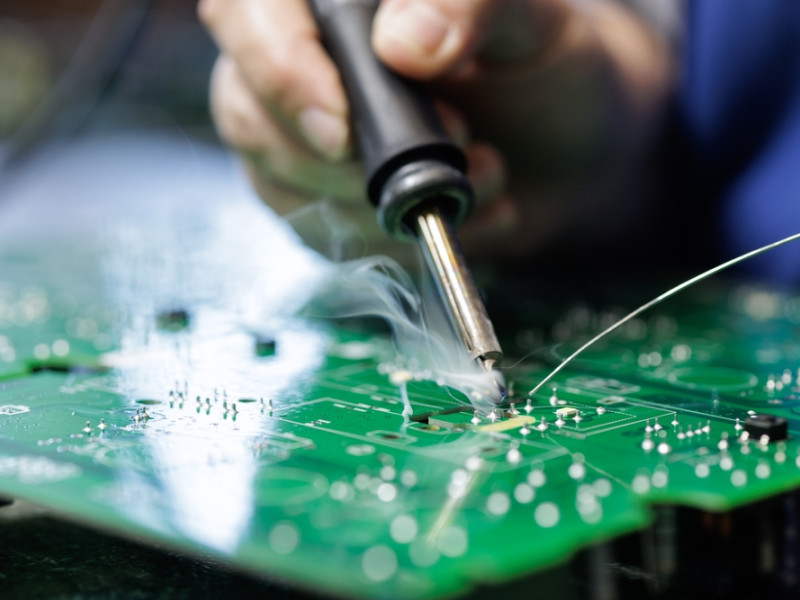
The Dangers Of Soldering Fumes
The thin trail of smoke rising from a soldering iron may disappear quickly, but that does not mean the contaminant has left the air. Heating fl... Read more -
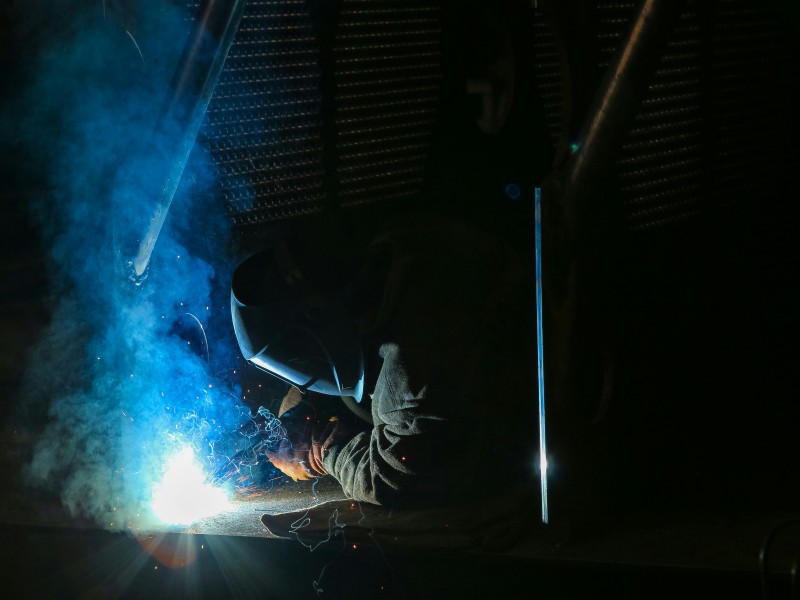
The Most Common Airborne Contaminants Found in Industrial Workspaces
Cutting, heating, spraying, welding and cleaning can all release contaminants into the air. Some are easy to see, such as a cloud of dust, while fine... Read more -
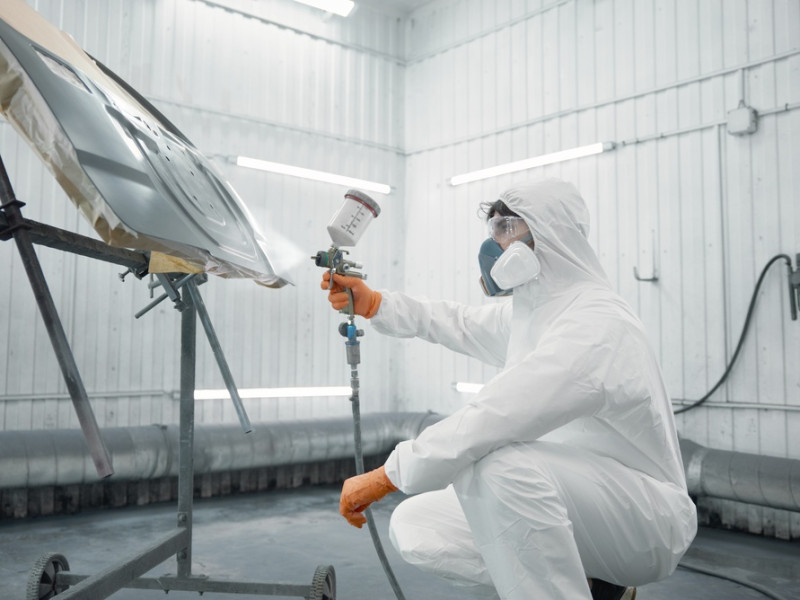
Can Paint Fumes Kill You? How Long They Stay in Your System and What to Do After Exposure
Painting and coating processes can release vapours, gases and fine particles into the air. Without effective controls, employees may inhale these cont... Read more
How Purex can help
We provide an excellent level of service and support, including our 24-hour technical support service and start-to-end projects. Get in touch with our expert team today to find out more.