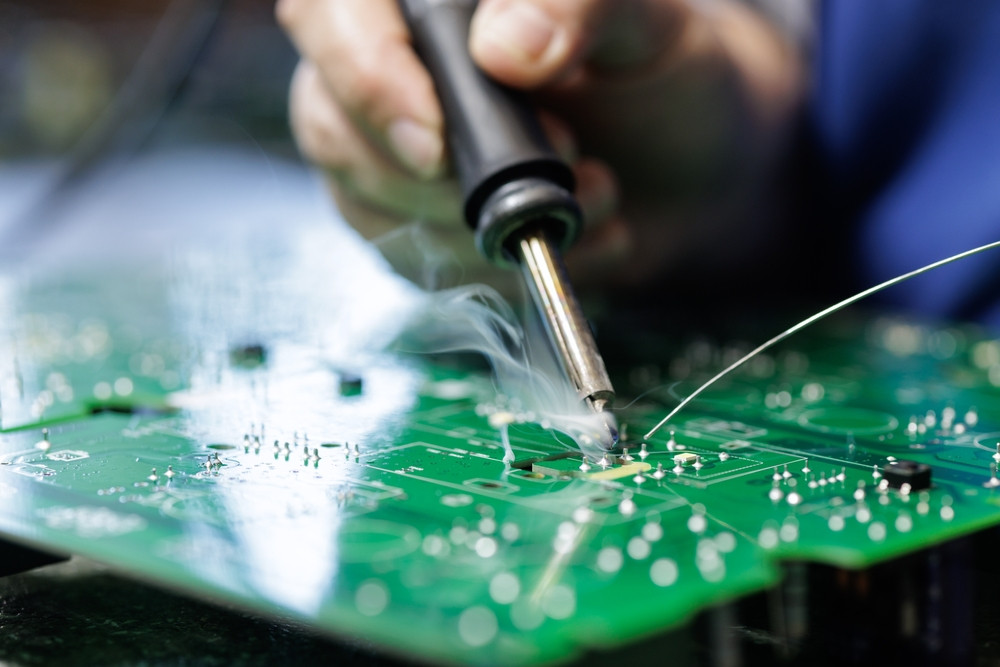
The Dangers Of Soldering Fumes
The thin trail of smoke rising from a soldering iron may disappear quickly, but that does not mean the contaminant has left the air.
Heating flux during soldering releases gases and very fine particles, often directly within the operator’s breathing zone. Without effective controls, repeated exposure can irritate the airways and contribute to occupational asthma.
So, is soldering dangerous? The process can present health risks when fumes, hot equipment and contaminated materials are not properly controlled.
What are soldering fumes?
Soldering uses heat to melt a filler metal and join components. During hand soldering, the visible plume usually comes mainly from heated flux rather than the solder itself.
Flux cleans the surfaces and helps the solder flow, but heating it can release gases and fine particles.
The exact composition and level of exposure depend on:
- The solder and flux used
- The operating temperature
- The soldering method
- How frequently and for how long the work is completed
- The position and performance of the extraction system
Rosin-based fluxes, also known as colophony-based fluxes, require particular care. The Health and Safety Executive identifies rosin-based solder flux fume as a cause of occupational asthma.
What are the symptoms of exposure?
Soldering-fume exposure may cause:
- Irritated or watery eyes
- A sore or dry throat
- Coughing
- Wheezing
- Chest tightness
- Shortness of breath
- Headaches
These symptoms should not be accepted as a normal part of the job. Repeated exposure can lead to respiratory sensitisation, after which even small amounts of flux fume may trigger asthma symptoms. Employers should investigate reported symptoms and review whether existing controls remain effective.
What types of soldering produce fumes?
Fume exposure is not limited to hand soldering.
Common industrial processes include:
- Wave soldering: PCBs pass over molten solder after flux has been applied and heated.
- Reflow soldering: solder paste and flux are heated inside an oven to form joints on surface-mounted components.
- Desoldering and reworking: existing joints are reheated using soldering irons, hot-air tools, pumps or flux-coated braid.
Each method can release different amounts of fume and particulate. Extraction should therefore be matched to the process rather than relying on one approach for every soldering application.
Soldering is used across electronics manufacturing, automotive, aerospace, telecommunications, medical-device production, electrical engineering and repair operations. The frequency and scale of production will also influence the required controls.
Is lead-free solder fume safe?
Lead-free solder does not make the process fume-free. Flux still releases airborne contaminants when heated, so suitable extraction remains necessary.
When lead-containing solder is used at normal hand-soldering temperatures, exposure is generally more likely through contaminated hands, tools and surfaces than through inhaling lead vapour. Employees could ingest lead if they eat, drink, smoke or touch their mouths without washing their hands.
Food and drink should therefore be kept away from soldering areas, work surfaces should be cleaned appropriately, and employees should wash their hands after handling lead-containing materials. A lead-free product may reduce certain risks, but it does not remove the need for a COSHH assessment.
What are the soldering ventilation requirements?
Employers must assess exposure to hazardous substances and prevent it were reasonably practicable. Where exposure cannot be prevented, it must be adequately controlled.
For soldering work, this will often require local exhaust ventilation that captures fumes before they reach the operator. General room ventilation or an open window may dilute contaminants, but it does not provide the same source control as an appropriately positioned solder fume extractor.
An effective system should:
- Capture fume close to the soldering point.
- Provide sufficient airflow for the process and capture method.
- Discharge or filter contaminated air safely.
- Be checked, maintained and tested at suitable intervals.
- Be used correctly by trained operators.
The capture nozzle must be close enough to collect the rising plume without interfering with the task or cooling the solder joint. Employers should also review the system when workstations, materials or production volumes change.
Which soldering fume extractor do you need?
The appropriate unit depends on the soldering process, number of extraction points, materials and required airflow. Our range includes options for individual benches and larger production environments.
|
Purex range |
Typical application |
|
Compact single- or dual-arm extraction for electronics workstations |
|
|
Tip extraction for small workshops or multiple hand-soldering stations |
|
|
Larger hand-soldering operations with multiple extraction points |
|
|
Large-scale industrial scale hand soldering from one centralised machine and wave-soldering applications |
The size of the workplace alone should not determine the selection. We consider the soldering method, contaminants, capture distance, number of workstations and ductwork when recommending a system.
Create a safer soldering environment with Purex
We provide clean air systems for soldering applications, from compact workstation units to equipment for industrial production lines.
Tell us about your process, materials and number of extraction points. We can help you identify a solder fume extractor suited to your working environment.
Contact Purex to discuss a cleaner, safer approach to soldering fume extraction.
Latest insights
-
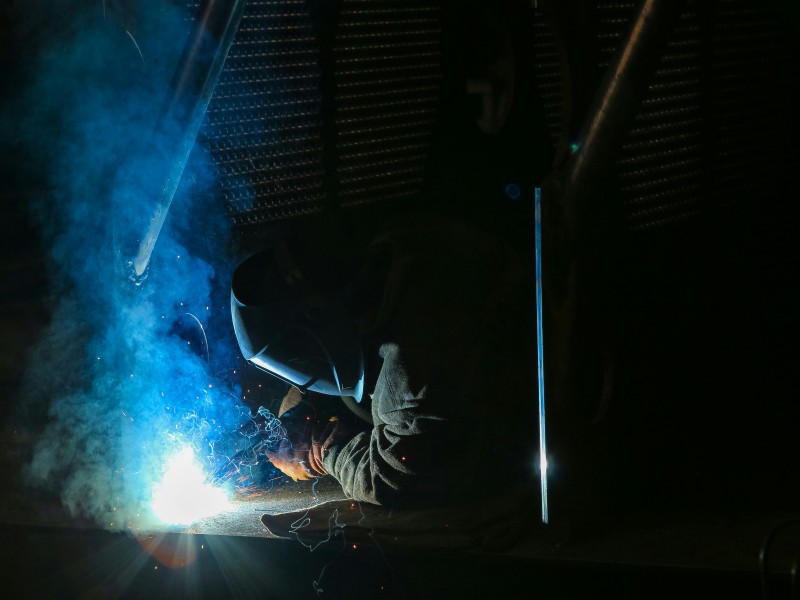
The Most Common Airborne Contaminants Found in Industrial Workspaces
Cutting, heating, spraying, welding and cleaning can all release contaminants into the air. Some are easy to see, such as a cloud of dust, while fine... Read more -
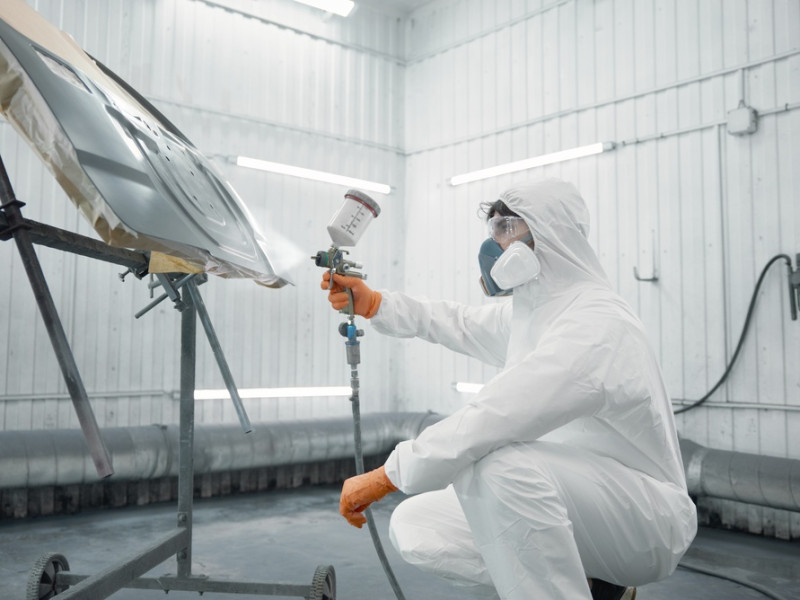
Can Paint Fumes Kill You? How Long They Stay in Your System and What to Do After Exposure
Painting and coating processes can release vapours, gases and fine particles into the air. Without effective controls, employees may inhale these cont... Read more -
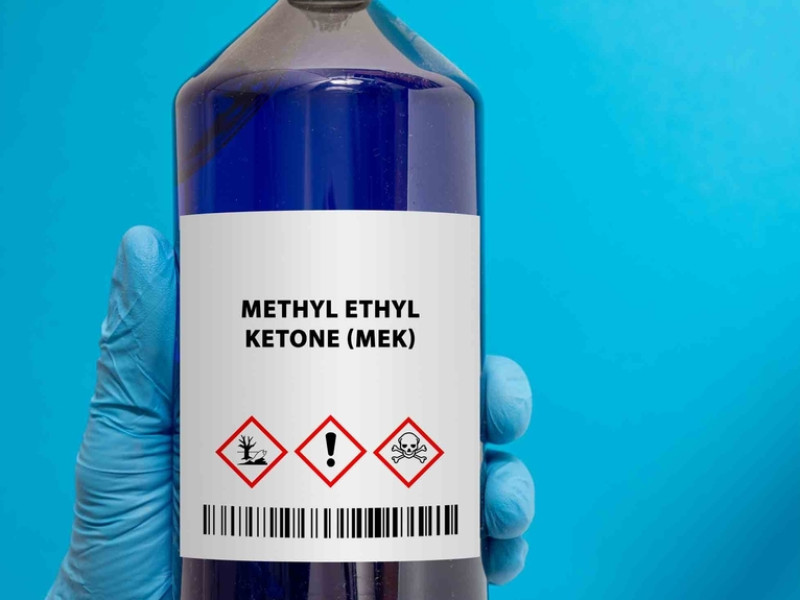
What Is MEK? Workplace Risks and Safety Tips
Methyl ethyl ketone (MEK) is a widely used industrial solvent found in many manufacturing processes. While it plays an important role in industries ra... Read more
How Purex can help
We provide an excellent level of service and support, including our 24-hour technical support service and start-to-end projects. Get in touch with our expert team today to find out more.