
The dangers of not commissioning an LEV unit
Your Local Exhaust Ventilation (LEV) system is only effective if it’s correctly commissioned from the very beginning. Commissioning isn’t a “nice to have” or an optional add-on, it’s a legal requirement under HSE guidelines and the only way to prove your fume extraction unit is performing as intended. Failing to commission an LEV unit puts workers at risk, exposes companies to enforcement action, and can invalidate your insurance.
In this blog, we’ll explore what happens when commissioning is ignored, the dangers involved, and how businesses can stay compliant with ongoing maintenance.
What does LEV commissioning involve?
Commissioning an LEV system requires a P601 or P602 accredited engineer to examine and validate your unit to ensure its working effectively. Your mandatory LEV test will involve the following checks:
- Measuring airflow and capture velocity
- Checking hood performance and positioning
- Inspecting filters and ducting
- Ensuring the system controls hazardous substances to HSE standards
- Producing a written commissioning report for legal compliance
If there are any faults with your LEV system, your engineer will perform the necessary remedial works to ensure HSE compliance and commission your unit.
The dangers of not commissioning an LEV unit
1. Increased exposure to hazardous substances
Without commissioning, you have no proof that your LEV extraction unit is actually capturing hazardous fumes, dusts and vapours effectively. Employees may inhale harmful substances at levels far exceeding Workplace Exposure Limits (WELs), leading to a variety of issues, including, but not limited to:
- Skin or eye irritation
- Long-term respiratory illness
- Chronic Obstructive Pulmonary Disease (COPD)
- Diseases and cancers
- Increased employee absences
2. Non-compliance with HSE safety policy
HSE’s safety policy requires every LEV system to be commissioned when installed. Without a commissioning report, your business automatically falls outside HSE standards. In turn, this could impact your:
- COSHH compliance
- Insurance validity
- Ability to pass health and safety inspections
Even if the unit physically works, lack of documentation counts as non-compliance and can result in legal action.
3. Higher risk of HSE prosecution
One of the biggest dangers of not commissioning your LEV system is the legal exposure. Without commissioning, businesses are more vulnerable to:
- Improvement notices
- Prohibition notices
- Fines running into tens of thousands
- Court cases if employees develop health issues
- Damaged reputation and operational disruption
HSE prosecution processes are extremely strict as Local Exhaust Ventilation is a frontline control for hazardous substances, which is why regular servicing and reliant LEV installation services are so crucial.
4. No baseline for future LEV tests
If your LEV system isn’t commissioned, engineers have no benchmark to compare future tests against, increasing the chance of faults going undetected.
A missing commissioning report means:
- You can’t demonstrate historical performance
- Servicing teams can’t prove the system was previously commissioned
- Any decline in airflow, filtration, or capture efficiency is harder to identify
Eventually, this leads to system failure that could have been prevented.
5. Reduced system lifespan and higher costs
Uncommissioned systems often run inefficiently, consuming more energy and wearing out components faster. Over time, this leads to:
- Premature filter failure
- Increased operating costs
- More frequent breakdowns
- Higher long-term maintenance spend
Proper commissioning is a small investment that prevents large, avoidable costs later.
Why commissioning your LEV unit is a legal requirement under COSHH
COSHH regulations make it clear that employers must control exposure to hazardous substances. LEV is one of the primary engineering controls used to meet this obligation, and commissioning is the only way to prove that the system works as designed.
A properly commissioned unit provides:
- Verified capture efficiency
- Documented airflow performance
- Evidence that emissions remain below WELs
- A benchmark for future statutory inspections
Without commissioning, a business cannot legally demonstrate compliance, even if the unit appears functional.
Signs your LEV system was never properly commissioned
Under COSHH regulations your LEV unit must be commissioned upon installation, in addition to being assessed every 14-months. However, if you’re concerned that your system may not have been commissioned correctly, here are some signs to look out for:
- No documentation or formal report
- No airflow figures or benchmark data
- The hood doesn’t visibly pull contaminants
- Filter life seems unusually short
- Workers report irritation, dust smells, or fumes
- No assigned responsible person for LEV records
If your system is displaying any of the above, get in touch with our experts and we can arrange a LEV service to review your units performance.
Latest insights
-
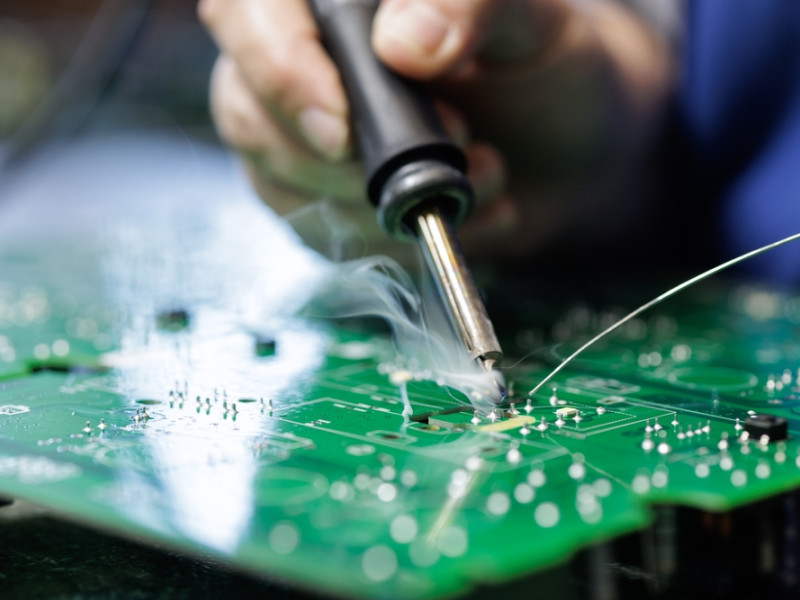
The Dangers Of Soldering Fumes
The thin trail of smoke rising from a soldering iron may disappear quickly, but that does not mean the contaminant has left the air. Heating fl... Read more -
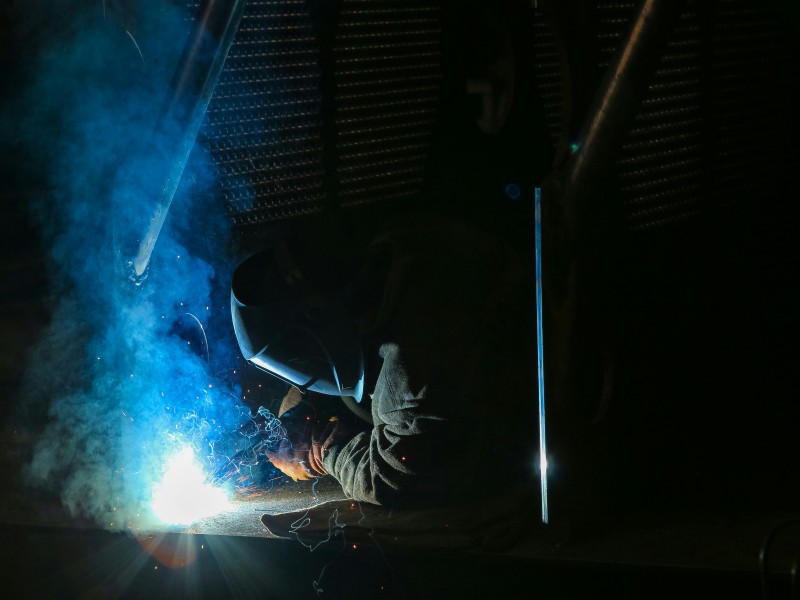
The Most Common Airborne Contaminants Found in Industrial Workspaces
Cutting, heating, spraying, welding and cleaning can all release contaminants into the air. Some are easy to see, such as a cloud of dust, while fine... Read more -
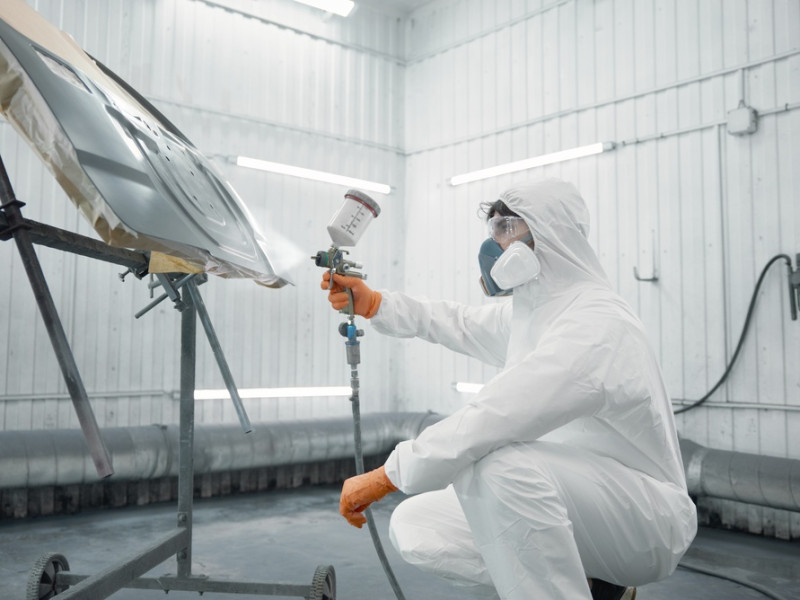
Can Paint Fumes Kill You? How Long They Stay in Your System and What to Do After Exposure
Painting and coating processes can release vapours, gases and fine particles into the air. Without effective controls, employees may inhale these cont... Read more
How Purex can help
We provide an excellent level of service and support, including our 24-hour technical support service and start-to-end projects. Get in touch with our expert team today to find out more.