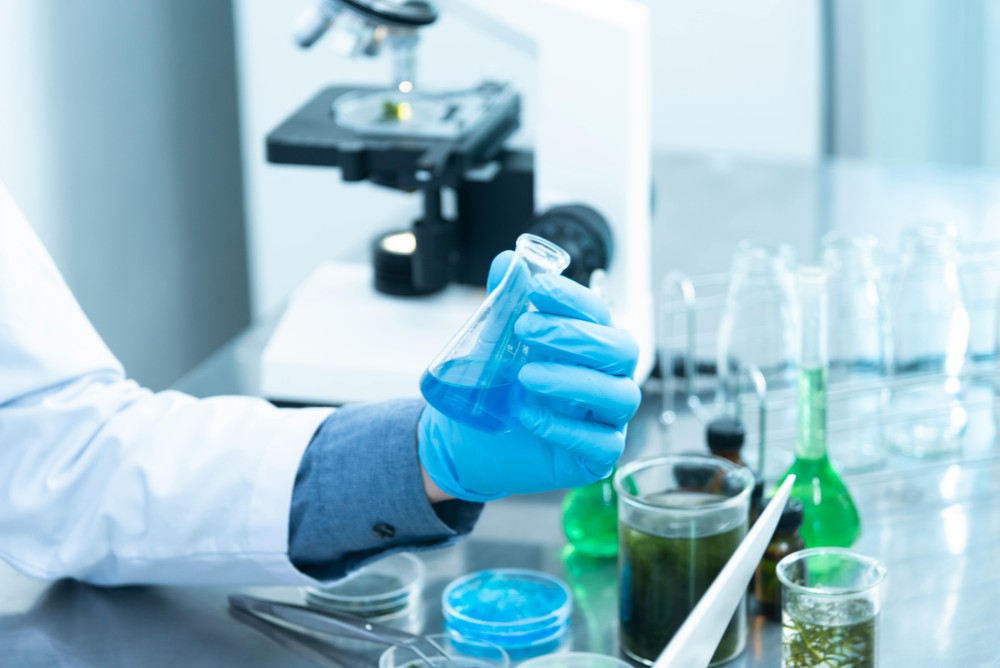
Fume Extraction for Chemical Applications
Our fume extraction systems are designed to combat chemical fumes produced from industrial manufacturing processes. Designed with laboratories, clean rooms and workshops in mind, learn how Purex can support chemical applications within your business.
Our fume extraction systems are designed to withstand rigorous industrial chemical applications. From manufacturing plastics to pharmaceutical ingredients, our clean air solutions minimise exposure to hazardous vapours and particulate matter during key chemical processes. Promising reliability, efficiency, and HSE compliance, we support businesses worldwide create and sustain safe working environments for complex chemical applications.
Typical Applications
Polymerisation
Polymerisation is the chemical process of bonding monomers together to create polymers. Commonly used for plastic manufacturing, when chemicals like ethylene, propylene, vinyl chloride, and styrene are polymerised, they present serious hazards to operators.
In addition to being highly flammable, ethylene, styrene and propylene can all cause serious respiratory irritation if inhaled. However, vinyl chloride poses the most significant respiratory threat. As a known carcinogen, chronic inhalation is directly linked with a rare liver cancer called angiosarcoma, emphasising the crucial role air ventilation plays in the polymerisation process.
API synthesis
Chemical synthesis plays a key role in Active Pharmacutical Ingredient (API) synthesis. Pivotal to the pharmaceutical industry, solvents like acetone and ethyl acetate are frequently used to contain these chemical reactions.
Both highly volatile, mild inhalation of acetone and ethyl acetate can cause throat and eye irritation and headaches, but long-term exposure can cause chronic respiratory inhalation and even cause cognitive impairment. In addition to solvents, dust, debris, and VOCs are all common biproducts that present significant risks to the safety of the manufacturers and the pharmaceuticals they produce.
Calcination
Calcination is a thermal treatment process that decomposes and removes impurities from raw materials. Commonly used in concrete production, the calcination of limestone produces fine dust and fumes that present a series of acute and chronic respiratory risks.
From coughing and sneezing to bronchitis, silicosis and even cancer, local exhaust ventilation plays a key role in protecting employees from toxic biproducts like sulphur dioxide, carbon monoxide, and crystalline silica.
Recommended machines
-
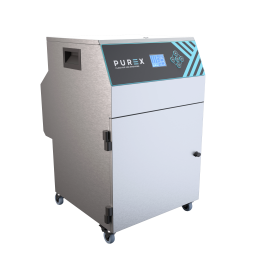 400
400
400
The 400 is a versatile machine for use within the Electronics industries due to its small footprint and powerful air flow abilities.
View product -
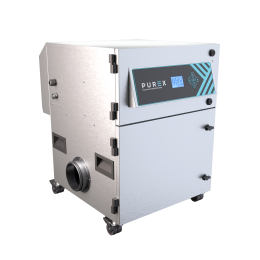 800 1 Tier
800
The 800 – Equipped with one large main filter is designed for a variety of work operations where a small foot print is required.
View product -
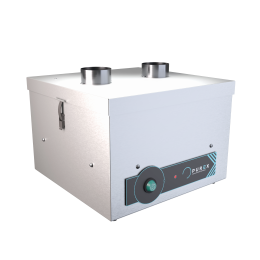
FumeBuster
The Purex FumeBuster is our flexible and portable machine that makes it an ideal choice for dynamic workspaces. Its superior high air flow capacity makes it most effective for high gas process's.
View product
Industry Insights
-
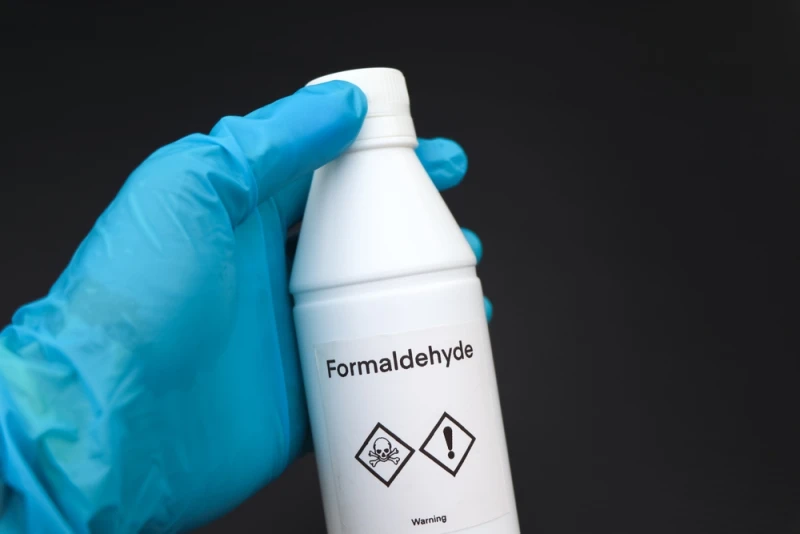
What Is Formaldehyde? Smell, Health Effects and What It Does to the Body
Formaldehyde is one of the most commonly encountered chemical hazards in industrial and laboratory environments, yet many people are unaware of how frequently they are exposed to it.
Read more -
Are Styrene Fumes Harmful?
Exposure to styrene is most likely to occur indoors from inhaling air that is contaminated with styrene vapours, which can subsequently affect the nervous system. Individuals who work where styrene is used or manufactured can be exposed to these hazardous fumes and vapours unless their workplace is correctly ventilated.
Read more -
What Are The Dangers Of Hydrochloric Acid Fumes?
Hydrochloric Acid is corrosive and can cause severe burns if it comes into contact with your skin – it can also cause serious harm if inhaled as fumes. This is because the fumes can easily enter your respiratory system and damage your lungs.
Read more
Get in Touch
Looking for a fume extractor for your chemical applications? Fill out the form below to speak to a member of our team and find the best clean air solution for your business.
-
Unit A, Saltgrounds Road,
Brough, East Riding of Yorkshire,
United Kingdom,
HU15 1EG - +44 (0) 1405 746030
- purex@purex.co.uk
Chemical Application FAQs
Several industries install fume extraction systems to manage hazards produced by their chemical processes. These industries include, but aren’t limited to:
- Pharmaceuticals
- Laboratories
- Electronics
- Construction
- Automotive
- Aerospace
- Food and beverage
- Agriculture
To ensure optimal efficiency and HSE compliance, you should purchase a fume extraction system that meets your unique business needs. At Purex, we have a wide selection of clean air machines suitable for industrial chemical applications. Ranging from 200 m3/h to 2000+ m3/h and featuring systems specifically designed for chemical and Ozone applications, enquire today to receive custom recommendations and quotes.
COSHH and HSE guidelines state that general ventilation is not enough to mitigate the risks associated with chemical applications. Instead, a Local Exhaust Ventilation (LEV) system must be commissioned to manage exposure limits for dust, fumes and VOCs either produced or disrupted during chemical processes.