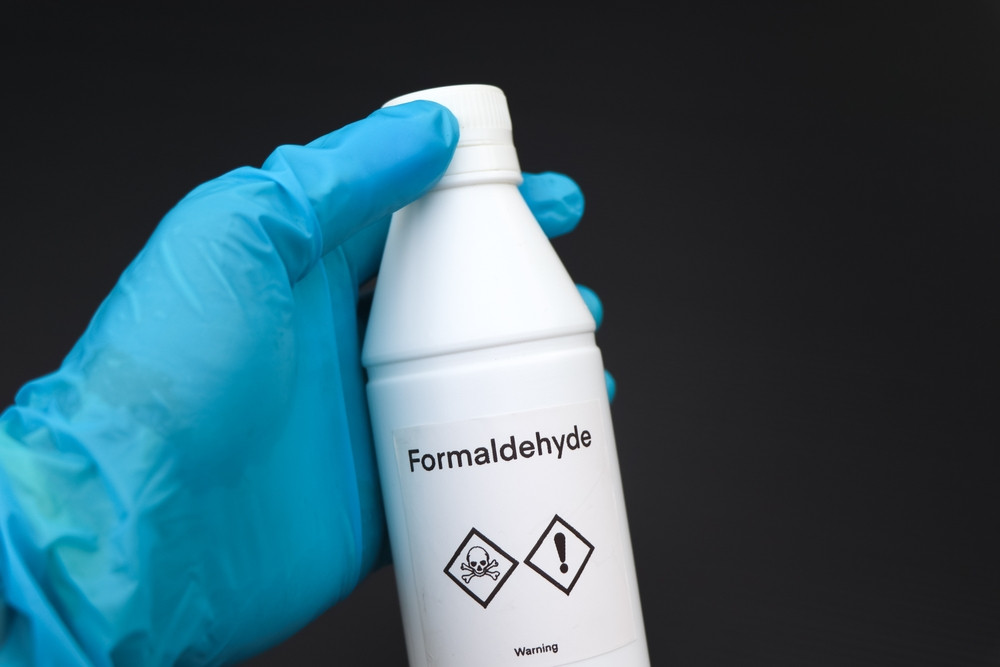
What Is Formaldehyde? Smell, Health Effects and What It Does to the Body
Formaldehyde is one of the most commonly encountered chemical hazards in industrial and laboratory environments, yet many people are unaware of how frequently they are exposed to it. Found in everything from manufacturing processes to everyday materials, formaldehyde can pose serious health risks when inhaled as a gas or vapour.
Understanding what formaldehyde is, how it behaves and what it does to the body is essential for businesses looking to protect employees, remain compliant and maintain safe working environments.
What is Formaldehyde?
Formaldehyde is a colourless, strong-smelling gas that is widely used in industrial applications. It is a volatile organic compound (VOC), meaning it easily becomes airborne at room temperature.
Because formaldehyde is so widely used, exposure can occur in a range of environments, particularly where materials are heated, cut or chemically processed.
What are formaldehyde fumes?
Formaldehyde fumes are created when the chemical is released into the air as a gas. This can happen during manufacturing processes, when materials containing formaldehyde are heated, or when products degrade over time.
Once airborne, formaldehyde can be easily inhaled, especially in enclosed or poorly ventilated spaces. This is where the risk becomes significant, as even low concentrations over time can impact health.
In industrial settings, fumes are often generated during processes such as laser cutting, woodworking, chemical manufacturing and laboratory work. Without proper extraction, these fumes can quickly accumulate in the breathing zone of workers.
What does formaldehyde smell like?
Formaldehyde has a very distinct, sharp and pungent smell. It is often described as similar to strong disinfectants or pickling solutions.
One of the key challenges with formaldehyde is that the smell can be detected at relatively low concentrations, but harmful effects can still occur even when the odour is not overwhelming. This means smell alone is not a reliable indicator of safety.
In some cases, workers may become accustomed to the smell over time, reducing their sensitivity to it and increasing the risk of prolonged exposure.
What does formaldehyde do to the body?
Exposure to formaldehyde primarily affects the respiratory system, eyes and skin. The severity of the effects depends on the concentration and duration of exposure.
Short-term exposure can cause irritation to the eyes, nose and throat. People may experience coughing, a sore throat, watery eyes or a burning sensation when exposed to higher levels.
Long-term or repeated exposure can lead to more serious health issues. These may include respiratory conditions such as asthma, ongoing irritation and sensitivity, and in some cases more severe health concerns linked to prolonged exposure.
Formaldehyde is classified as a hazardous substance, and controlling exposure is a key part of workplace safety regulations. According to government guidance, exposure should be minimised as much as possible, particularly in environments where fumes are generated regularly.
Where formaldehyde exposure comes from
Formaldehyde is not only present in raw industrial processes. It can also be released from materials and everyday operations, often without workers realising.
Common sources of formaldehyde exposure include heated plastics and resins, laser cutting of MDF and composite materials, adhesives and coatings, insulation materials, as well as certain cleaning and disinfecting products.
Because these sources are often part of routine tasks, formaldehyde can build up gradually in the air, especially in enclosed or poorly controlled environments. This makes it important to identify not just obvious chemical use but also hidden emission points across a workspace.
Common industries that use formaldehyde
- Formaldehyde is used across a wide range of industries, many of which involve processes that release fumes into the air.
- In woodworking and furniture manufacturing, formaldehyde is commonly found in resins used in composite wood products such as MDF and plywood.
- Laboratories and healthcare environments use formaldehyde as a preservative and disinfectant, particularly in tissue preservation.
- The chemical manufacturing industry uses formaldehyde in the production of various compounds and materials.
- Electronics manufacturing can also involve formaldehyde exposure through certain adhesives and coatings used in production processes.
In all of these environments, controlling airborne exposure is essential to maintaining safe working conditions.
Why general ventilation is not enough
Many workplaces rely on general ventilation systems to manage air quality, but this approach is not effective for hazardous substances like formaldehyde.
General ventilation works by diluting contaminants, not removing them. This means fumes are allowed to spread throughout the space before being reduced, increasing the risk of exposure.
For hazardous gases such as formaldehyde, capturing contaminants at the source is far more effective. This is where local exhaust ventilation and dedicated extraction systems play a critical role.
What to do if you are exposed to formaldehyde
If exposure occurs, the first step is to move away from the contaminated area and into fresh air as quickly as possible. This helps reduce further inhalation and allows symptoms to stabilise.
If irritation persists, medical advice should be sought, particularly if symptoms such as difficulty breathing, chest tightness or severe irritation occur.
From a workplace perspective, exposure should trigger a review of ventilation and control measures. If fumes are present, it is a clear indication that current systems may not be effectively capturing contaminants at source.
Implementing or upgrading to dedicated extraction systems is one of the most effective ways to prevent further exposure.
How to control formaldehyde fumes effectively
The most effective way to manage formaldehyde exposure is to capture fumes at the point they are generated.
Fume extraction systems draw contaminated air away from the source, filter out harmful particles and gases, and return clean air to the environment. This prevents fumes from spreading and significantly reduces exposure risk.
Purex provides advanced clean air systems designed specifically for applications where hazardous fumes are generated. These systems are engineered to capture and filter contaminants efficiently, helping businesses maintain safe and compliant environments.
How can a fume extraction system help?
For products that are known to release Volatile Organic Compounds (VOCs) in the form of fumes, all chemicals must be disposed managed in accordance with the COSHH (Control of Substances Hazard to Health) Regulations 2002.
As well as using the correct protective equipment when working with and disposing of formaldehyde, sufficient ventilation and fume extraction are required to prevent fume buildup. At Purex, we recommend using the Digital 800 2 . The fully automatic functions, adjustable airflow, as well as gas and particle sensors, make this ideal for use in salons and laboratories.
How can Purex help eliminate formaldehyde fumes in the workplace
Here at Purex, we are leaders in the fume extractor industry. Our products provide the highest quality in extractor equipment, with technology that is built to last. Learn more about the benefits of fume extraction systems from our dedicated guide or get in touch with our expert team today to find out more.
FAQs
Is formaldehyde dangerous at low levels?
Even low levels of formaldehyde can cause irritation, particularly with prolonged exposure. Over time, repeated exposure can increase health risks.
Can you smell formaldehyde at harmful levels?
Formaldehyde can be smelled at low concentrations, but harmful exposure can still occur even when the smell is not strong.
Where is formaldehyde most commonly found?
It is commonly found in manufacturing, woodworking, laboratories and chemical processing environments.
Latest insights
-
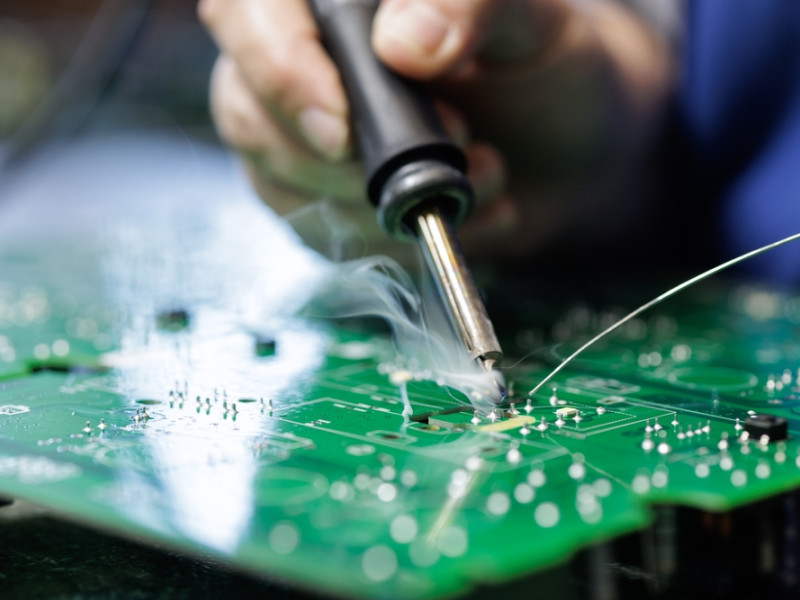
The Dangers Of Soldering Fumes
The thin trail of smoke rising from a soldering iron may disappear quickly, but that does not mean the contaminant has left the air. Heating fl... Read more -
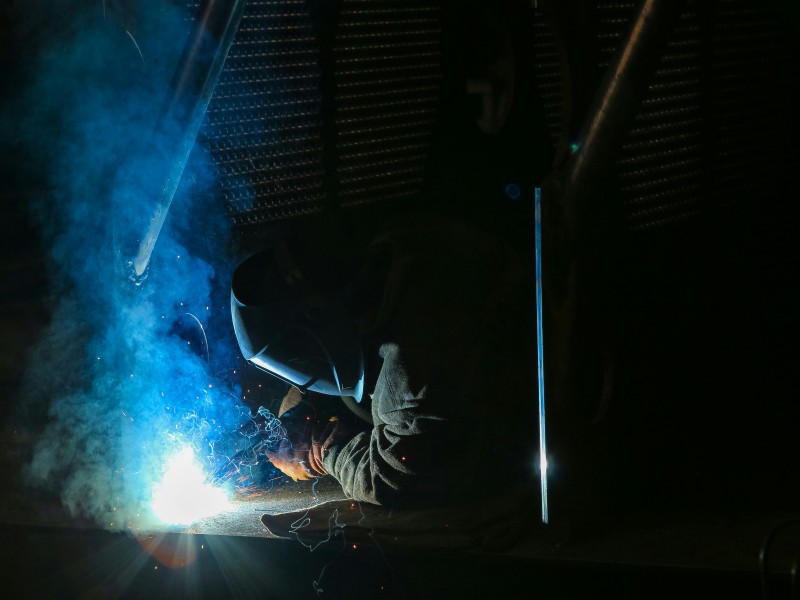
The Most Common Airborne Contaminants Found in Industrial Workspaces
Cutting, heating, spraying, welding and cleaning can all release contaminants into the air. Some are easy to see, such as a cloud of dust, while fine... Read more -
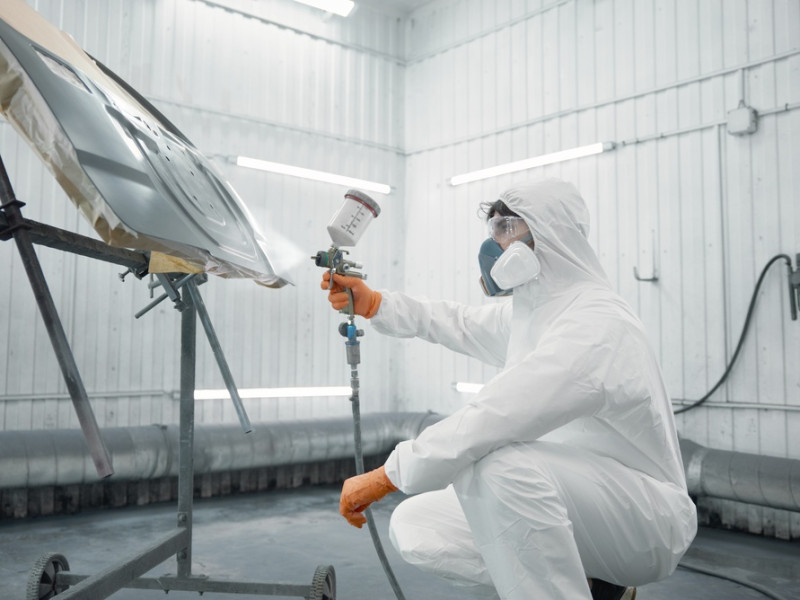
Can Paint Fumes Kill You? How Long They Stay in Your System and What to Do After Exposure
Painting and coating processes can release vapours, gases and fine particles into the air. Without effective controls, employees may inhale these cont... Read more
How Purex can help
We provide an excellent level of service and support, including our 24-hour technical support service and start-to-end projects. Get in touch with our expert team today to find out more.