Choosing the Best Welding Fume Extraction System to Prevent Metal Fume Fever
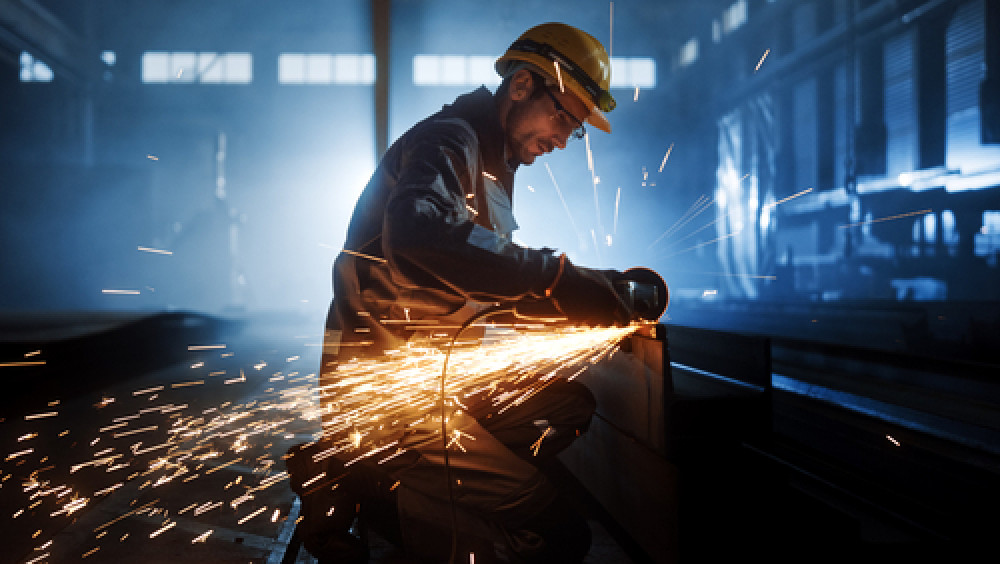
Welding is essential across manufacturing, fabrication and heavy industry. But alongside productivity always opens up the doors to risk. Welding fumes contain a complex mixture of metal oxides, gases and ultrafine particles that can pose serious health threats when inhaled.
One of the most well-known short-term conditions linked to exposure is metal fume fever. Whilst this is usually described as temporary, long-term exposure can signal much more dangerous respiratory risks. This is why choosing the right welding fume extraction systems is so important and not just about compliance. It is about protecting people, maintaining productivity and safeguarding long-term business performance.
What Is Metal Fume Fever?
Metal fume fever is an acute condition caused by inhaling metal oxide fumes which is generated during welding, cutting or brazing operations. It is most commonly associated with zinc oxide from galvanised steel, but it can also be from the exposure to copper, magnesium and other metals.
Symptoms typically include flu-like effects such as fever, chills, muscle aches, nausea, fatigue and headaches. These symptoms often appear several hours after exposure, which can make the connection less obvious to workers.
While symptoms usually subside within 24 to 48 hours, repeated exposure can contribute to longer-term respiratory complications. The condition is therefore a clear warning sign that fume control measures are inadequate.
Why Welding Fumes Are So Dangerous
Welding fumes are made up of extremely fine particulate matter. These particles are small enough to penetrate deep into the lungs and enter the bloodstream. The composition of fumes varies depending on the materials being welded, filler materials used and shielding gases applied.
Common hazardous components are manganese, chromium, nickel and iron oxides. In stainless steel welding, hexavalent chromium may also be present, which is classified as a carcinogen.
Unlike larger dust particles that settle quickly, welding fumes remain suspended in the air. Without effective extraction at source, these contaminants spread across the workspace, increasing exposure for multiple workers.
HSE Requirements for Welding Fume Control
The Health and Safety Executive has made it clear that welding fume exposure must be controlled, regardless of duration or frequency. All welding activities require suitable local exhaust ventilation.
For reference, the HSE provides guidance and video resources outlining control measures for welding fumes. Watch what happens when welding goes wrong, below.
If your business fails to implement suitable welding fume extraction systems, this can result in enforcement action, improvement notices and prosecution.
Purex Welding Clean Air Systems
Purex provides advanced clean air systems designed specifically for industrial applications, including welding environments.The Purex Weldex delivers effective source capture with multi-stage filtration and compact design suitable for both flexible and fixed installations.
Purex systems are designed to:
- capture ultrafine welding fumes at source
- reduce exposure to hazardous metal oxides
- support compliance with HSE guidance
- deliver consistent airflow performance
- minimise maintenance disruption
- Improves workplace safety
Why Metal Fume Fever Prevention Protects Your Business
Investing in the correct welding fume extraction systems does more than protect health.
It reduces:
- Absenteeism linked to respiratory illness
• Regulatory risk
• Insurance costs
• Downtime from enforcement action
• Productivity loss due to poor air quality
Clean air systems also support recruitment and retention.
How to Tell If Your Current System Is Not Working
Even where extraction is installed, warning signs of underperformance include:
- Visible fume clouds escaping capture
- Workers reporting flu-like symptoms
- Dust accumulation on surrounding surfaces
- Lingering metallic odours
- Rising sickness absence
Regular inspection and airflow testing are essential to ensure performance remains consistent.
FAQs
Can metal fume fever cause permanent damage?
While typically acute and temporary, repeated exposure to welding fumes increases the risk of chronic respiratory issues.
Is a portable welding fume extractor enough for heavy fabrication?
In high-volume or continuous welding environments, a centralised system may be more appropriate.
Does general ventilation replace local exhaust ventilation?
No. General ventilation dilutes airborne contaminants but does not capture fumes at the source.
How close should extraction be positioned to the weld?
The closer the capture hood is to the weld pool, the more effective the system will be.
Latest insights
-
The Dangers Of Soldering Fumes
The thin trail of smoke rising from a soldering iron may disappear quickly, but that does not mean the contaminant has left the air. Heating fl... Read more -
The Most Common Airborne Contaminants Found in Industrial Workspaces
Cutting, heating, spraying, welding and cleaning can all release contaminants into the air. Some are easy to see, such as a cloud of dust, while fine... Read more -
Can Paint Fumes Kill You? How Long They Stay in Your System and What to Do After Exposure
Painting and coating processes can release vapours, gases and fine particles into the air. Without effective controls, employees may inhale these cont... Read more
How Purex can help
We provide an excellent level of service and support, including our 24-hour technical support service and start-to-end projects. Get in touch with our expert team today to find out more.