Why General Ventilation Isn’t Enough for Hazardous Processes
Many workplaces rely on general ventilation systems to manage air quality, assuming that circulating fresh air is enough to keep employees safe. While this approach may work for basic comfort, it is not designed to handle hazardous fumes, gases or airborne contaminants.
In environments where harmful substances are generated, general ventilation alone can leave workers exposed to serious health risks. Understanding its limitations is essential for improving workplace safety and ensuring compliance.
Why is general ventilation not enough
General ventilation dilutes airborne contaminants rather than removing them. This allows hazardous fumes to spread throughout a workspace instead of being captured at the source, increasing the risk of exposure.
What is general ventilation?
General ventilation, also known as dilution ventilation, involves supplying and extracting air across a large space, such as a room or entire building. Its purpose is to bring in fresh air, regulate temperature, and reduce the concentration of low-level contaminants. This is achieved by blending clean outdoor air with indoor air, helping to dilute pollutants like odours or excess heat.
The problem with standard ventilation in hazardous environments
The key limitation of general ventilation is that it does not control where contaminants travel. Rather than removing harmful fumes, it allows them to spread across the entire workspace.
This creates several risks: workers near the source are exposed to high concentrations before dilution occurs; contaminants can migrate to other areas, affecting more people; and in some cases, fumes may linger or recirculate within the space.
For hazardous processes, this approach is simply not sufficient.
What are hazardous processes?
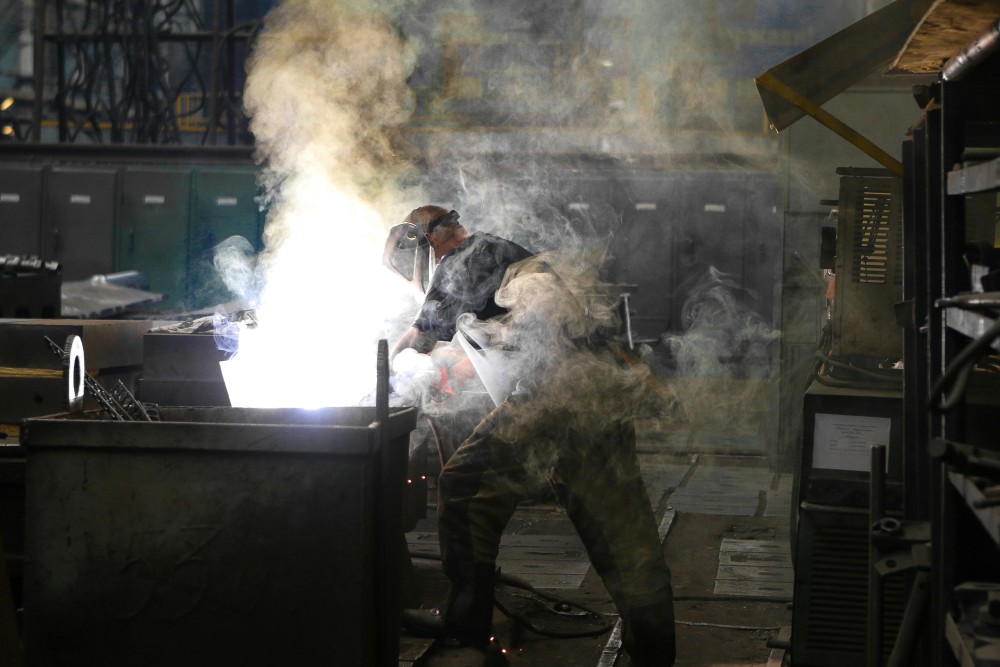
Hazardous processes are any activities that generate harmful airborne substances, including fumes, gases, vapours or fine particulates. Common examples include welding, soldering, laser cutting, chemical handling, laboratory work and manufacturing processes involving resins or solvents.
These processes often release contaminants directly into the breathing zone of workers, making immediate control essential.
Why dilution is not the same as protection
A common misconception is that reducing the concentration of a substance automatically makes it safe. However, dilution does not remove the source of the hazard.
Even at lower concentrations, repeated exposure can still cause irritation, respiratory issues and long-term health effects. In addition to this, short bursts of high exposure can occur before the ventilation system has time to dilute the air.
This means workers may still be at risk, even in spaces that feel well ventilated.
The importance of capturing contaminants at source
The most effective way to control hazardous fumes is to capture them at the point they are generated.
By removing contaminants before they spread, source capture systems prevent exposure and stop pollutants from entering the wider workspace. This approach is far more reliable than relying on dilution alone.
It also ensures that harmful substances are properly filtered and managed, rather than being redistributed.
Local exhaust ventilation vs general ventilation
Local exhaust ventilation systems are specifically designed to capture airborne contaminants at source. Unlike general ventilation, they focus on removing fumes before they can disperse.
These systems use extraction arms, hoods or enclosed systems positioned close to the process. Contaminated air is drawn away, filtered and either safely discharged or recirculated as clean air.
This targeted approach provides a much higher level of protection, particularly in environments where hazardous substances are present.
Real risks of relying on general ventilation alone
Relying solely on general ventilation can lead to ongoing exposure risks, even if the environment appears safe.
Workers may experience symptoms such as irritation, headaches or breathing discomfort without immediately linking them to air quality. Over time, this can affect productivity, wellbeing and compliance.
In regulated industries, failing to properly control airborne contaminants can also lead to breaches of health and safety standards.
How to identify if your ventilation is not effective
There are several signs that general ventilation may not be sufficient for your environment.
Persistent chemical smells, visible fumes or dust, and recurring health complaints among employees are all indicators that contaminants are not being properly controlled.
Air quality monitoring can also reveal whether exposure levels exceed recommended limits, highlighting the need for improved systems.
How to control hazardous fumes effectively
To properly manage hazardous processes, businesses need to move beyond general ventilation and adopt source capture solutions.
Fume extraction systems are designed to remove contaminants directly from the source, preventing them from entering the breathing zone. These systems use advanced filtration to capture harmful substances and maintain clean air within the workspace.
Purex clean air systems are engineered to provide reliable and efficient extraction across a wide range of industries. By capturing fumes at source, they help reduce exposure, improve safety and support compliance. For ongoing performance, servicing and maintenance support is available here.
Why choose Purex for clean air systems
Purex clean air systems are designed to capture and filter harmful fumes at source, preventing them from spreading throughout the workspace. This approach not only improves air quality but also helps businesses meet safety standards and protect their workforce.
By investing in effective extraction systems, companies can reduce risk, improve working conditions and ensure long-term operational efficiency.
Latest insights
-
The Dangers Of Soldering Fumes
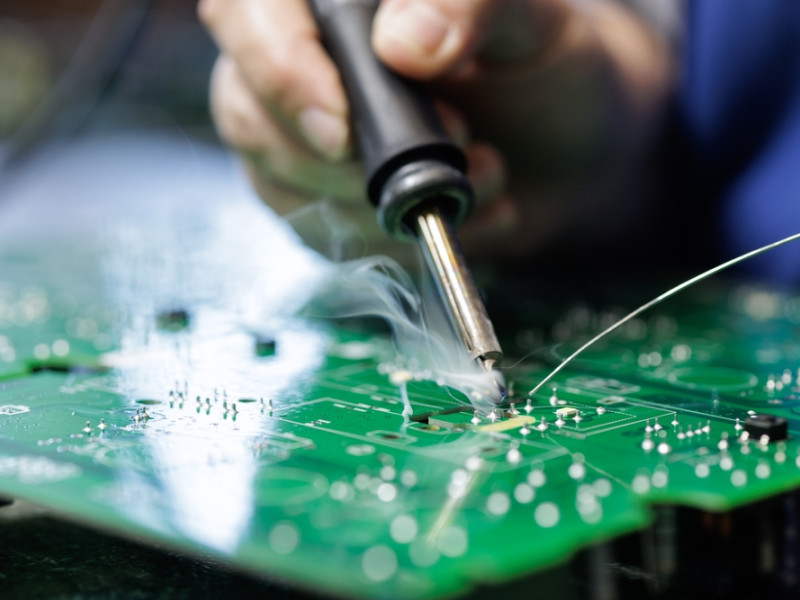
The thin trail of smoke rising from a soldering iron may disappear quickly, but that does not mean the contaminant has left the air. Heating fl... Read more -
The Most Common Airborne Contaminants Found in Industrial Workspaces
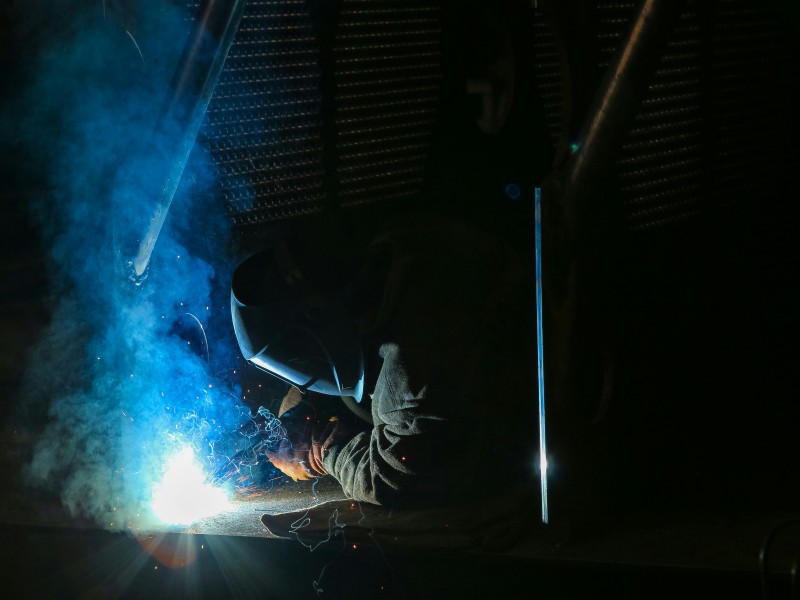
Cutting, heating, spraying, welding and cleaning can all release contaminants into the air. Some are easy to see, such as a cloud of dust, while fine... Read more -
Can Paint Fumes Kill You? How Long They Stay in Your System and What to Do After Exposure
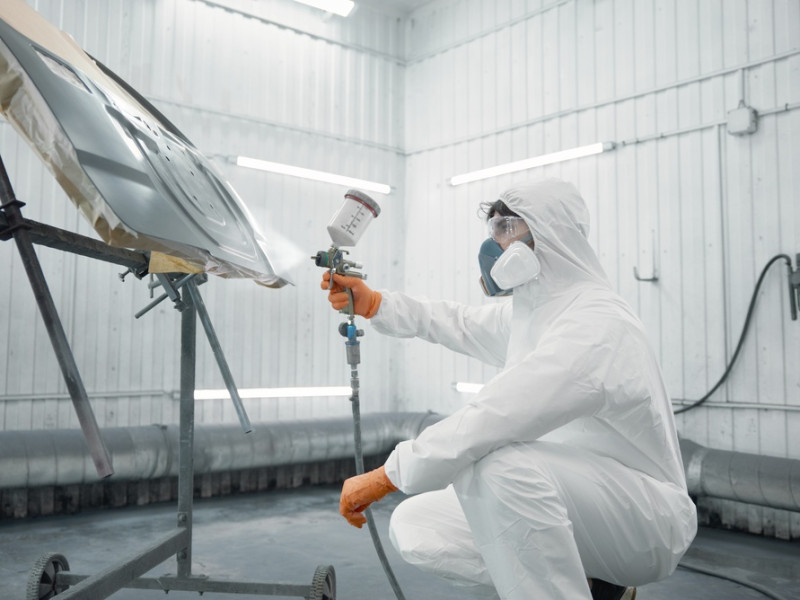
Painting and coating processes can release vapours, gases and fine particles into the air. Without effective controls, employees may inhale these cont... Read more
How Purex can help
We provide an excellent level of service and support, including our 24-hour technical support service and start-to-end projects. Get in touch with our expert team today to find out more.