The Most Common Airborne Contaminants Found in Industrial Workspaces
Cutting, heating, spraying, welding and cleaning can all release contaminants into the air. Some are easy to see, such as a cloud of dust, while fine particles, gases and vapours may go unnoticed.
This can make industrial air pollution easy to underestimate. However, allowing contaminants to spread may affect employee health, product quality and the cleanliness of equipment and working areas.
Understanding what the process produces and where it enters the air is the first step towards choosing an effective control method.
What are airborne contaminants?
Airborne contaminants are particles, gases, vapours or biological agents suspended in the air that can be inhaled. In industrial environments, these contaminants are typically generated by manufacturing processes, material handling, heating operations or mechanical activity.
The risks depend on the substance, its concentration, the length of exposure and how it enters the body. Employers should assess each process individually rather than relying on whether a contaminant is visible or has a noticeable smell.
What causes industrial air pollution?
Industrial air pollution can come from a single production process or a combination of everyday activities across a facility.
Common sources include:
- Welding, soldering and brazing
- Cutting, grinding and sanding
- Laser cutting, marking and engraving
- Painting and spray coating
- Chemical mixing and processing
- 3D printing and additive manufacturing
- Using adhesives, resins and solvents
- Machining with coolants or metalworking fluids
- Handling powders and bulk materials
- Cleaning with brushes or compressed air
- Maintaining production equipment
Identifying the point at which contaminants are released helps businesses position extraction close to the source, before pollutants enter an employee’s breathing zone or spread into the wider workplace.
The Most Common Airborne Contaminants in Industrial Workplaces
1. Dust and particulate matter
Dust can be produced when materials are cut, sanded, ground, drilled, polished or handled. Examples include wood, metal, silica, plastic, composite and carbon-fibre dust.
While larger particles may settle quickly, finer particles can remain airborne and enter deep into the lungs. The health risks depend on the material, with certain dusts associated with irritation, occupational asthma, lung disease or cancer. Combustible dust may also create a fire or explosion risk.
Settled dust can become airborne again through movement, dry sweeping or compressed air. This is one of the main compressed air hazards in the workplace: using an airline to clean equipment may disperse contaminants rather than remove them.
Our dust-removal extraction systems are designed to capture particles close to where they are generated.
2. Fumes
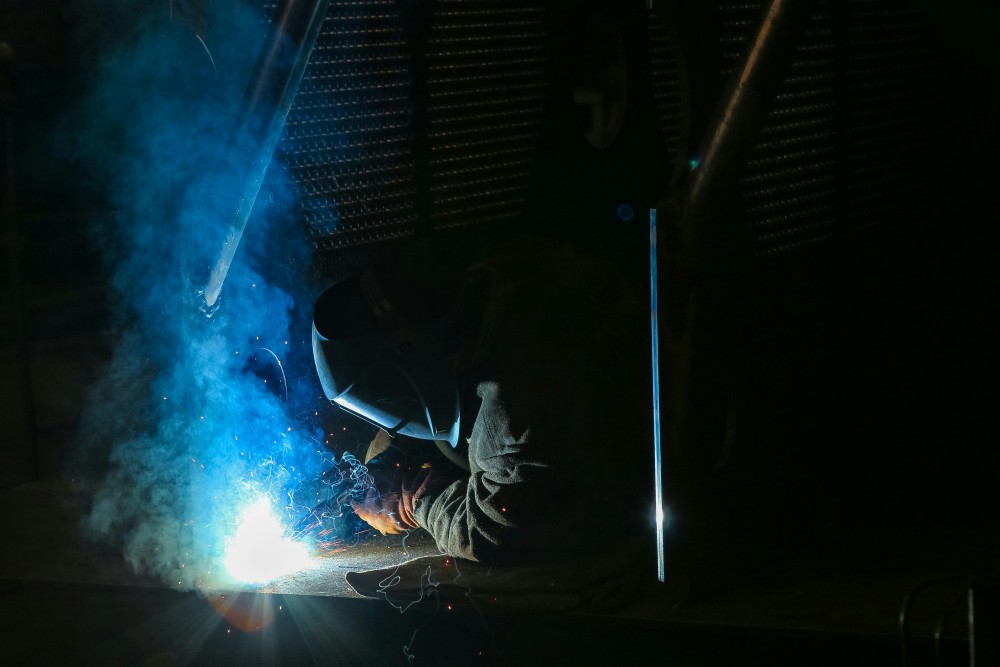
Fumes are extremely fine airborne particles created when a material is heated or vaporised and then cools. They are commonly associated with welding, soldering, brazing, laser processing and other high-temperature activities.
Their composition depends on the materials and process involved. Welding can generate metallic particles and gases, while soldering can release flux fumes that may contribute to occupational asthma.
Because these particles may be difficult to see, a clear-looking workspace does not necessarily mean exposure is adequately controlled. We provide extraction solutions for welding, soldering and laser processes to capture contaminants close to their source.
3. Gases
Chemical reactions, combustion and heating processes can produce gases such as carbon monoxide, nitrogen oxides, ozone, carbon dioxide, chlorine and formaldehyde.
Some gases have no obvious colour or smell, making monitoring particularly important. The effects of exposure vary by substance and concentration, but may include irritation, headaches, dizziness, breathing difficulties or more serious harm.
Extraction and general ventilation perform different roles. The appropriate controls should be selected through a process-specific risk assessment, particularly where gases could collect in an enclosed area.
4. Vapours and VOCs
Vapours are released when liquids evaporate. Solvents, paints, coatings, adhesives, inks, cleaning agents and resins can all release volatile organic compounds (VOCs).
Depending on the substance, short-term exposure may cause irritation, headaches, dizziness or nausea, while repeated exposure may have more serious health effects. Smell alone is not a reliable indication of whether the air is safe.
Facilities working with solvents and chemical vapours may require extraction designed for chemical-processing applications.
5. Mists and aerosols
Spraying, splashing and fast-moving liquids can create small droplets that remain suspended in the air. Examples include paint spray, oil mist, coolant mist and cleaning-product aerosols.
Employees may inhale these droplets, while the contaminant can also reach the eyes, skin, equipment and nearby products. Spray painting requires particular care because some coatings contain isocyanates, which can cause occupational asthma.
Our spray-booth extraction solutions help capture fumes and airborne particulate produced during spraying processes.
6. Smoke
Industrial smoke may contain particles, gases and chemical by-products from combustion, thermal cutting, overheating materials or other high-temperature processes. Its composition and therefore the required controls, depends on what is being heated or burned.
Fibres may also be released when composites, glass fibre, textiles or reinforced plastics are cut, drilled or sanded. Fine fibres can spread into surrounding work areas and irritate the skin, eyes and respiratory system.
Before processing any unfamiliar material, businesses should check its composition and Safety Data Sheet to understand the contaminants that could be released.
How can airborne contaminants be controlled?
The appropriate controls depend on the substance, process and level of exposure.
Businesses should:
- Identify the contaminants produced by each process.
- Remove or replace hazardous materials where reasonably practicable.
- Use suitable containment and extraction to capture contaminants at source.
- Check that employees use the controls correctly.
- Maintain, examine and test extraction equipment as required.
- Review the assessment whenever materials or processes change.
Personal protective equipment may also be necessary, but it should support rather than replace effective controls at source.
Control industrial air pollution with Purex
We provide extraction systems for dust removal, chemical processing, laser processes, soldering, spray booths and welding.
We can also support your business with LEV installation, LEV servicing and LEV testing. Tell us about your process and the contaminants it produces, and we can help you identify a suitable extraction solution.
Latest insights
-
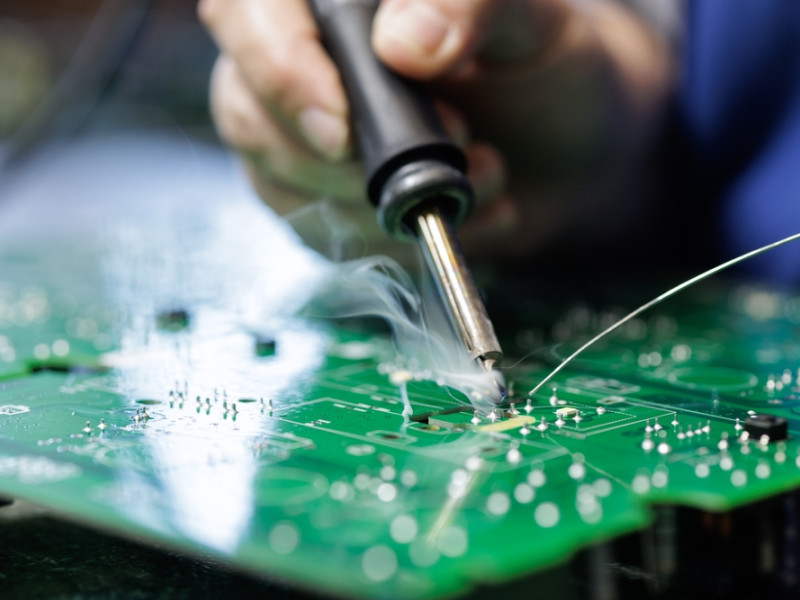
The Dangers Of Soldering Fumes
The thin trail of smoke rising from a soldering iron may disappear quickly, but that does not mean the contaminant has left the air. Heating fl... Read more -
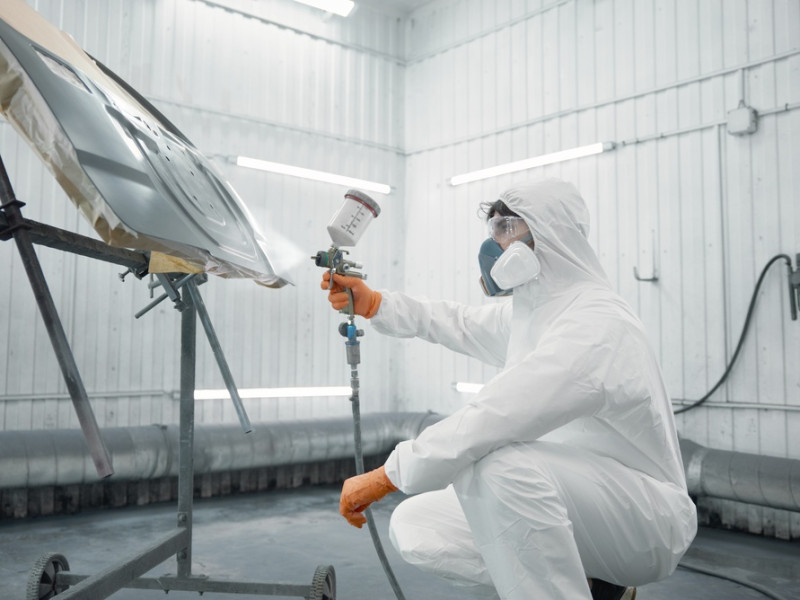
Can Paint Fumes Kill You? How Long They Stay in Your System and What to Do After Exposure
Painting and coating processes can release vapours, gases and fine particles into the air. Without effective controls, employees may inhale these cont... Read more -
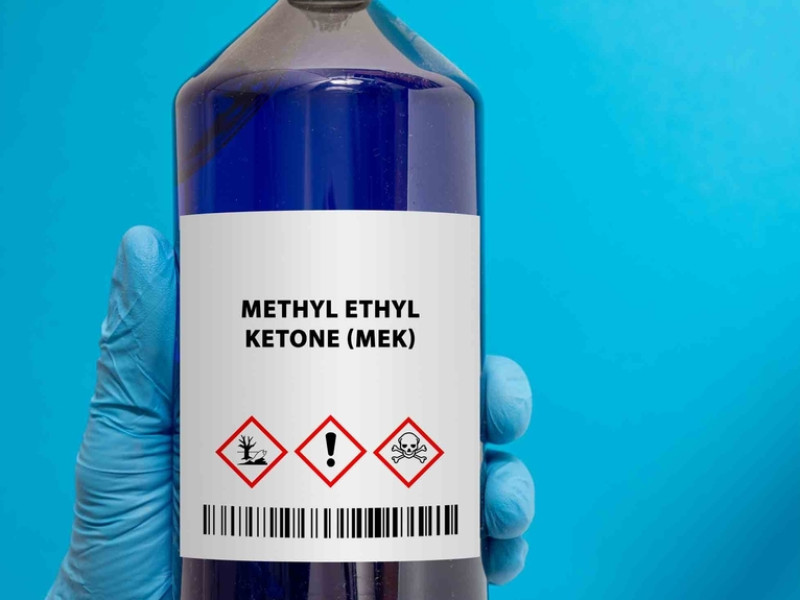
What Is MEK? Workplace Risks and Safety Tips
Methyl ethyl ketone (MEK) is a widely used industrial solvent found in many manufacturing processes. While it plays an important role in industries ra... Read more
How Purex can help
We provide an excellent level of service and support, including our 24-hour technical support service and start-to-end projects. Get in touch with our expert team today to find out more.