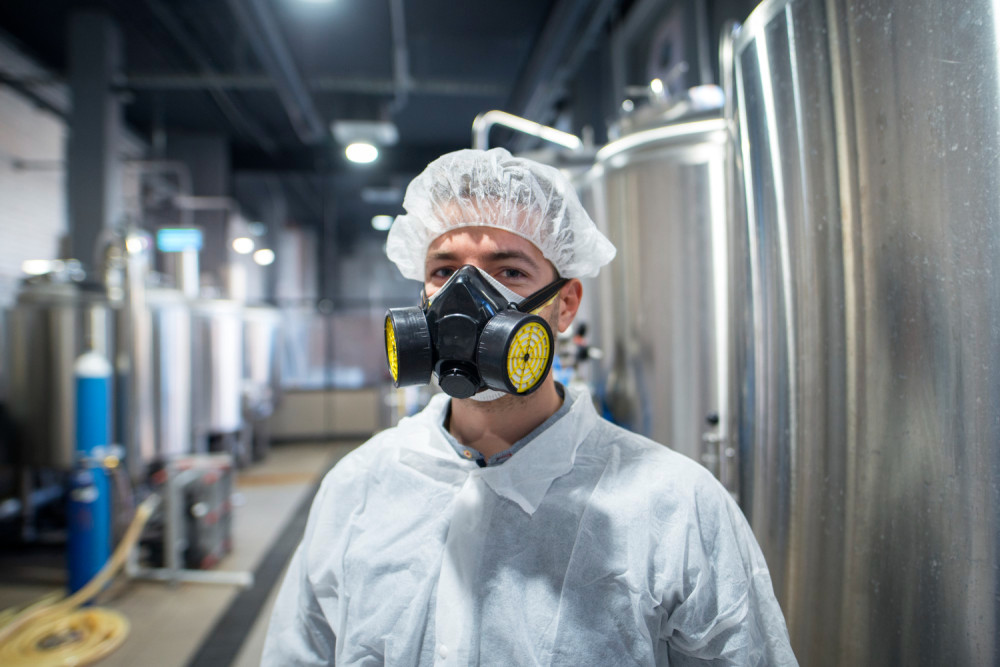
Air Quality in Manufacturing: What Poor Ventilation Is Really Costing Your Business
In manufacturing environments, the focus is on keeping production moving. Output targets, deadlines and efficiency take priority, while air quality is treated as something that simply needs to be “good enough”. If there is no visible smoke or dust in the air, it is easy to assume ventilation is doing its job.
In reality, many of the most harmful airborne contaminants aren't visible to the naked eye. Fine dust, fumes, vapours and microscopic particulates can build up gradually, affecting workers long before problems become obvious. Poor ventilation rarely causes immediate disruption, which is why it can become a costly issue over time.
The Hidden Health Costs of Poor Ventilation
When ventilation is inadequate, airborne contaminants remain in the breathing zone for longer periods. In manufacturing, this can include dust from grinding and cutting, fumes from welding or soldering, vapours released during heating processes, and airborne chemicals from coatings or adhesives.
Prolonged exposure can lead to headaches, respiratory irritation, fatigue and reduced concentration. Over time, the risk increases for occupational asthma, chronic respiratory conditions and long-term health problems. From a business perspective, this often results in higher sickness absence, lower morale and increased staff turnover.
Productivity Losses That Are Easy to Miss
Poor air quality affects more than just your health, it also impacts how effectively people work. Employees in poorly ventilated environments often feel tired, uncomfortable, and often experience brain fog, particularly during longer shifts.
Even small drops in concentration can lead to slower task completion, increased error rates and reduced quality. Over weeks and months, these productivity losses accumulate, often without being directly attributed to ventilation issues.
Compliance Risks and the Cost of Getting It Wrong
Manufacturing businesses are legally required to control exposure to airborne contaminants under health and safety legislation (COSHH). If ventilation systems are outdated, poorly designed or inadequately maintained, compliance risks increase.
Failed inspections, improvement notices or enforcement action can be costly and disruptive. Beyond the immediate expense of corrective work, there is also reputational risk and operational downtime to consider. In many cases, these issues arise not from negligence, but because ventilation systems have not kept pace with changes in processes, materials or production volumes.
The Impact on Equipment and Operations
Airborne dust and fumes do not only affect people, but they also affect equipment. When contaminants are not effectively extracted, they settle on machinery, sensors and electrical components.
Over time, this can lead to overheating, blockages, increased wear and more frequent breakdowns. Maintenance costs rise, equipment lifespan shortens and unplanned downtime becomes more common. In certain manufacturing environments, poor air quality can also compromise product quality and consistency.
Why General Ventilation Often Falls Short
Many facilities rely on general ventilation to manage air quality. While this helps with airflow and temperature control, it is rarely sufficient for processes that generate contaminants at source.
Dust and fumes released during manufacturing tend to rise with heat and spread across the workspace. Without targeted extraction, they linger in the air and expose more people than intended. Effective air quality control requires capturing contaminants as close as possible to where they are generated, rather than relying on dilution alone.
The Long-Term Financial Cost of Inaction
When ventilation upgrades are discussed, cost is often the main concern. However, the long-term cost of doing nothing is frequently far higher.
Poor air quality contributes to increased absenteeism, higher maintenance costs, reduced productivity, compliance risks and potential liability issues. Over time, these indirect costs can outweigh the investment required to improve ventilation and extraction systems.
How Better Air Quality Supports Business Growth
Manufacturing environments that prioritise air quality benefit from healthier employees, more consistent productivity and improved equipment reliability. Clean air supports safer working conditions, higher output quality and greater operational resilience.
As regulations tighten and expectations around workplace safety increase, businesses that invest in effective ventilation are better positioned for long-term success. Air quality also supports wider sustainability and corporate responsibility goals, which are increasingly important to customers and partners. At Purex, we install, service and test your LEV systems to ensure your fume extraction system runs smoothly and your employees stay healthy.
A Smarter Approach to Air Quality
Improving air quality does not require a one-size-fits-all solution. The most effective approach considers specific processes, materials and operational requirements.
By identifying where contaminants are generated and how they behave within the workspace, manufacturers can explore various capture methods and implement targeted solutions that improve air quality without disrupting production. Regular servicing and maintenance ensure systems continue to perform as operations evolve.
Looking Ahead with Purex
Air quality in manufacturing is no longer a secondary concern. It directly affects employee health, productivity, compliance and long-term business performance. Poor ventilation may not always be visible, but its cost is felt across every part of the operation.
By taking a proactive approach to air quality, manufacturers can protect their workforce, reduce hidden costs and build more resilient, future-ready businesses. Clean air is not just about compliance; it is about creating environments where people and processes can perform at their best. We invite you to explore our case studies to see our depth of work and how we’ve provided an innovative solution for a wide range of industries.
If you’re interested in what Purex has to offer, you can view our product range here. Alternatively, you can contact us by filling out an enquiry form or calling on +44 (0) 1405 746030.
Latest insights
-
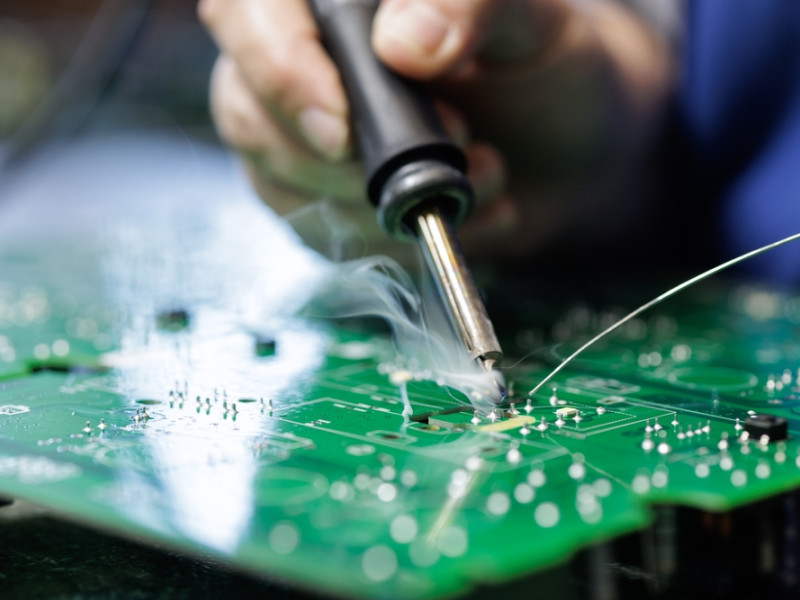
The Dangers Of Soldering Fumes
The thin trail of smoke rising from a soldering iron may disappear quickly, but that does not mean the contaminant has left the air. Heating fl... Read more -
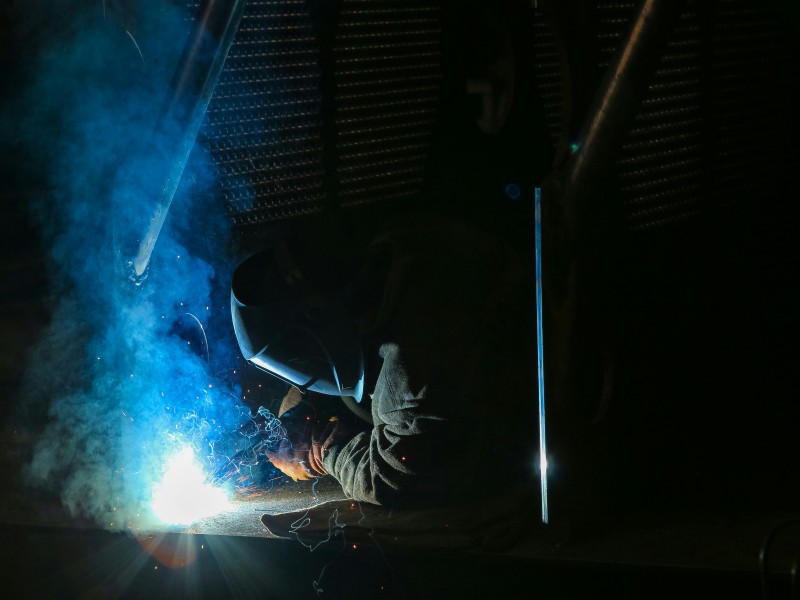
The Most Common Airborne Contaminants Found in Industrial Workspaces
Cutting, heating, spraying, welding and cleaning can all release contaminants into the air. Some are easy to see, such as a cloud of dust, while fine... Read more -
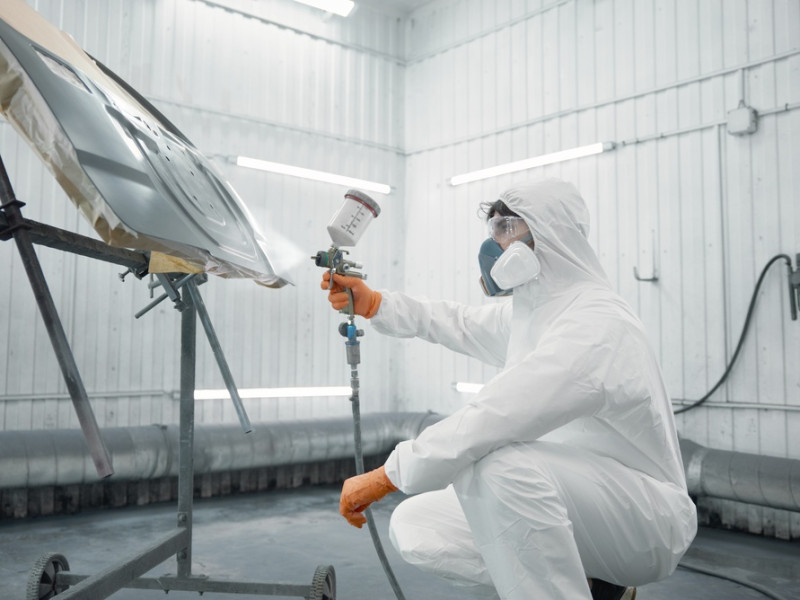
Can Paint Fumes Kill You? How Long They Stay in Your System and What to Do After Exposure
Painting and coating processes can release vapours, gases and fine particles into the air. Without effective controls, employees may inhale these cont... Read more
How Purex can help
We provide an excellent level of service and support, including our 24-hour technical support service and start-to-end projects. Get in touch with our expert team today to find out more.