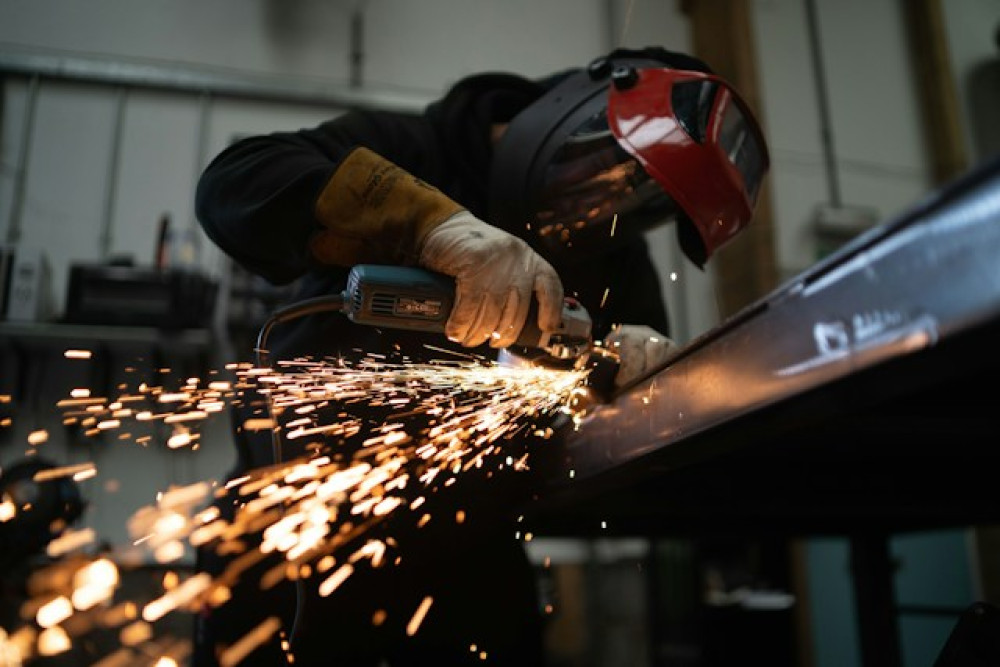
Fume Extraction for the metalworking industry
Our fume extraction systems safely remove the airborne contaminants produced during metalworking processes. Whether operating in a factory or a small studio, our LEV machines provide a clean air solution to protect metalworkers and production.
From welding and drilling to forging and shearing, every metalworking process is different and, as such, demands different safety measures. At Purex, our metal fume extractors are designed to combat a wide range of hazardous fumes and particulates protecting your employees and your working environment.
Typical Applications
Cutting and machining
Each cutting method presents unique risks to operators. However, whether flame, plasma or laser cutting, metal oxides, cutting dust and toxic fumes are a consistent hazard when metal cutting and CNC machining. At Purex, we create bespoke metalworking filtration machines to address airborne contaminants at the source. So, whether fabricating large metal frames or tiny components, we’ll keep your workspace COSHH compliant.
Welding and soldering
From wave and reflow soldering to ARC and TIG welding, our clean air machines are designed to minimise exposure to the flux fumes and particulate matter produced when fusing metals. Combining efficiency and HSE compliance, our fume extractors help businesses around the world protect operators from metal fume fever.
Forming
Reshaping metal is fast, efficient and minimises wastage. However, it’s not without its risks. Metalworking fluids (MWFs) play an important role in stamping, bending and forging metal, presenting a serious risk to employers if inhaled. Combined with the metal oxide fumes released during thermal processes, LEV extraction is vital to mitigate the risk of metal fume fever and other respiratory illnesses.
Recommended Machines
-

2 Tip
The Purex 2-Tip is a cost-effective solution that enhances your individual requirements. Designed with your unique needs in mind, this innovative product features a built-in LED filter block warning feature which makes this machine a practical solution.
View product -

3 - 15 Tip
The Purex 3-15 Tip is a high-performing solution which is not only cost effective but also designed with precision. The unit comes equipped with an LED filter block warning system, ensuring the operators safety and efficiency.
View product -

FumeCube Range
The Purex FumeCube is a multi-purpose unit, with its high performance capabilities, you can run the extraction unit without any loss of efficiency. Whilst offering highly effective and economical flexibility for your specific requirements.
View product -

PUR35 Range
The Purex PUR35 is a compact, high-performance, and cost-efficient unit. It’s easily relocated, simple to install, and ensures operator safety.
View product -

Weldex
The Purex Weldex is a versatile digital unit with a large dust holding capacity and a consistent extraction rate. It is a mobile unit due to its castors, and features a 75mm multi-position arm that can cover up to 2 metres, making it ideal for station-to-station movement.
View product -

5000i Range
The Purex 5000i range 3 Phase units are designed to effectively and efficiently remove a large volume of hazardous fumes. The versatility of the 5000i range is further enhanced by its specialized units, including the 5000i HD 3 Phase and the 5000i PVC 3 Phase.
View product
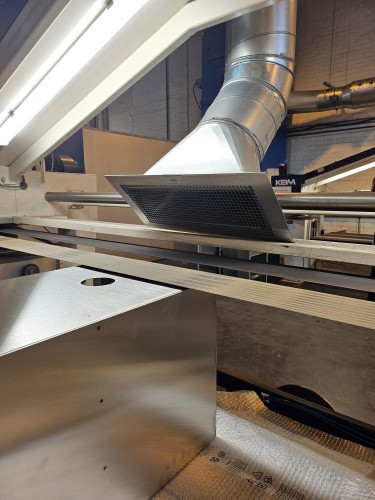
Case Study
Dust Extraction Solution
Read about a installation we carried out at our fabrication facility to remove the metal dust and provide clean air for all.
Industry Insights
-

Choosing the Best Welding Fume Extraction System to Prevent Metal Fume Fever
Welding is essential across manufacturing, fabrication and heavy industry. But alongside productivity always opens up the&nbs... Read more -
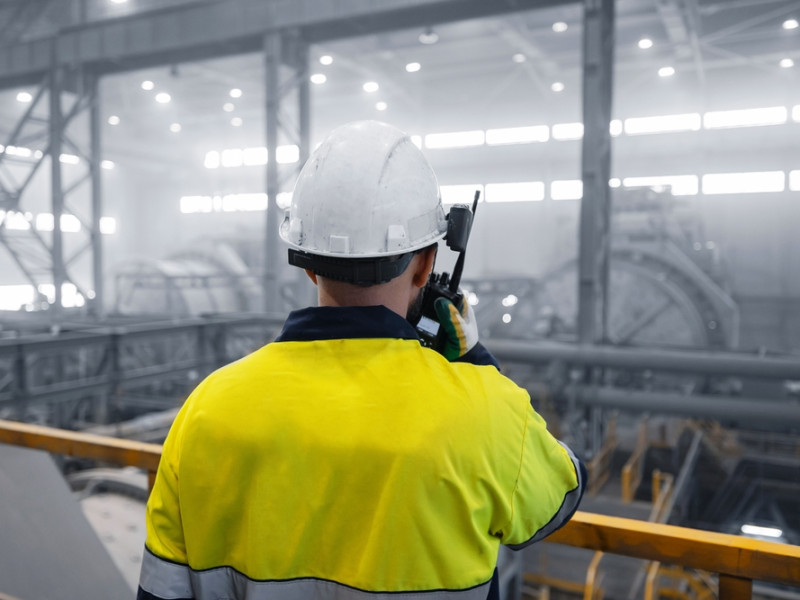
The Dangers of Grinding Dust and Particulate Matter
Grinding, cutting, fettling, and surface preparation are essential steps across metalworking, fabrication, aerospace, automotive, plastics and ma... Read more -

Extraction Strategies for High-Heat Processes
Soldering, smelting and casting all generate intense heat and with that heat comes fumes, vapours, metal particulates and gases th... Read more
Get in Touch
Looking for a fume extractor for your metalworking processes? Fill out the form below to speak to a member of our team and find the best clean air solution for your business.
-
Unit A, Saltgrounds Road,
Brough, East Riding of Yorkshire,
United Kingdom,
HU15 1EG - +44 (0) 1405 746030
- purex@purex.co.uk
FAQs
There are several health risks associated with metalworking. The most common risks to employees include:
- Respiratory illnesses, ranging from occupational asthma and metal fume fever to bronchitis and COPD.
- Irritation of the skin, eyes and nose causing dermatitis, conjunctivitis and allergies.
- An increased risk of lung cancer due to increased exposure to carcinogens like nickel.
Every metalworking process produces different airborne hazards, but common pollutants include:
- Iron oxide fumes
- Ozone fumes
- Nitrogen oxides
- Fine metal dust
- Vapourised MWFs
All present serious risks to respiratory health, so it’s important to filter both metal particulates and fumes at the source to prevent contamination and remain compliant with COSHH guidelines.
Fume extraction plays a vital role protecting production and employees in the metalworking industry. But, in addition to these crucial safety measures, effective fume extraction provides the following benefits:
- Reduced downtime due to illness, maintenance, and repairs.
- Improved equipment lifespan due to reduced build up and contamination causing faults and breakdowns.
- Increased production quality by controlling and removing airborne at the source.