How Often Should Industrial Air Systems Be Reviewed or Upgraded?
Did you know that 1.7 million workers suffered from work-related ill health (new or long-standing) in 2023/24?
This shows the extent of the damage caused by businesses not protecting their employees. Reduced airflow, bad odours, increased dust levels, or failed compliance checks are often the first warning signs that a system is not performing effectively. That’s why industrial air systems are so important.
Checking up on your extraction systems regularly, and making timely upgrades can help businesses avoid costly downtime, maintain compliance, and create safer working conditions before issues escalate.
Why Industrial Clean Air Systems Need Regular Inspections
Industrial air systems are constantly exposed to demanding environments. Over time, filters become blocked, extraction performance can decline, ductwork may develop issues, and changing production processes can place additional pressure on older systems.
Without regular servicing, businesses may unknowingly operate with systems that no longer meet workplace requirements, or provide effective contaminant control.
This can affect:
- Employee health and wellbeing
- Air quality standards
- Production efficiency
- Energy consumption
- Compliance with workplace safety regulations
- The lifespan of the equipment
A proactive review process helps identify small issues before they become larger operational or compliance problems.
How Often Should Industrial Air Systems Be Reviewed?
LEV testing services are typically required every 14 months under COSHH regulations in the UK, although some environments may need more frequent examinations depending on risk levels and system usage.
For many facilities, a general inspection and performance review should take place at least annually. However, environments with high dust levels, fumes, chemicals, or continuous operation may require more frequent monitoring and servicing.
Businesses using LEV systems should also remember that regular testing is often a legal requirement, alongside being best practice. not simply best practice - it is often a legal requirement.
Regular inspections should assess:
- Airflow performance
- Filter condition
- Ducting integrity
- Fan efficiency
- Extraction capture effectiveness
- Noise or vibration issues
- System energy efficiency
- Compliance with current regulations
These reviews provide valuable insight into whether a system still performs effectively or if upgrades are becoming necessary.
Signs Your Industrial Air Filtration System May Need Upgrading
Even well-maintained systems eventually become outdated. As businesses grow and processes evolve, older systems may struggle to meet modern operational demands.
One of the biggest signs that an industrial air filtration system may need upgrading is reduced extraction performance. If fumes, dust, or airborne particles appear more noticeable than before, this often indicates the system is no longer operating efficiently.
Businesses may also notice rising energy costs. Older systems often consume more power while delivering lower performance levels compared to modern extraction technology.
Other common signs include:
- Frequent breakdowns or repairs
- Filters clogging faster than normal
- Unpleasant odours lingering in the workspace
- Employees reporting respiratory irritation or discomfort
- Difficulty meeting compliance requirements
- Increased production output overwhelming the existing system
- New machinery or processes being introduced
If operational changes have taken place within the facility, such as increased production volumes or new manufacturing methods, the original system design may no longer be suitable.
Why It’s Important to Upgrade Your Fume Extraction System
Upgrading industrial air systems is not only about compliance. Modern systems can deliver major benefits across the entire workplace.
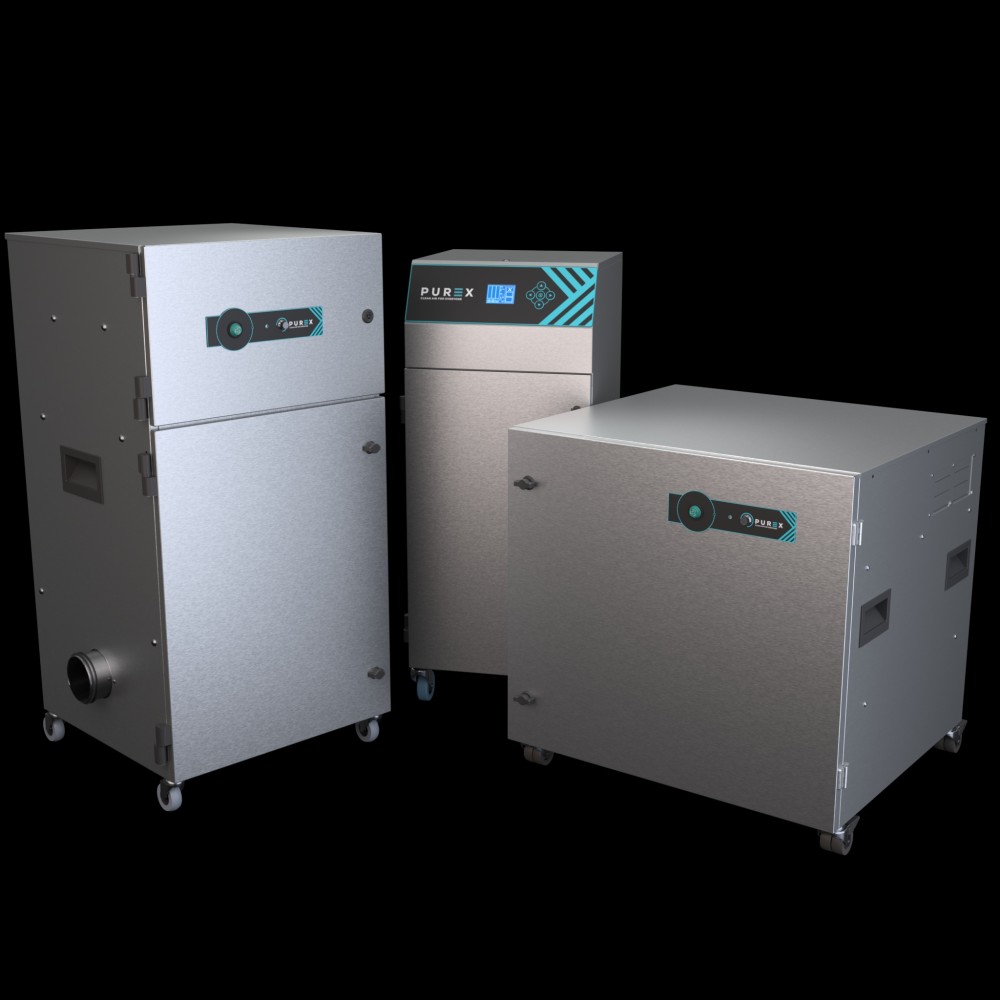
Newer industrial air filtration systems are designed to improve extraction efficiency while reducing energy consumption. Many systems now include smarter monitoring technology, advanced filtration capabilities, and more effective airflow control. Have a look at our six product collections of fume extraction systems and see which one is most beneficial for your industrial environment.
An The value of an upgraded system can help businesses:
- Improve indoor air quality
• Reduce employee exposure to harmful contaminants
• Lower energy costs
• Reduce downtime and maintenance requirements
• Improve productivity
• Support sustainability goals
• Meet modern compliance standards more easily
In industries where fumes, vapours, or dust are generated daily, effective extraction systems are critical for long-term operational safety and performance.
Why LEV Testing Services Matter
LEV testing services are one of the most important parts of maintaining industrial air systems. Clean air systems are specifically designed to capture harmful airborne contaminants at the source before they spread into the workplace.
Regular testing helps confirm that systems continue to operate effectively and safely. During testing, engineers typically assess airflow rates, filter conditions, extraction efficiency, and overall system performance.
A poorly performing LEV system may fail to protect workers adequately, even if it appears to be functioning normally. This is why routine examination and testing remain essential.
Keeping detailed maintenance and testing records can also support compliance inspections and demonstrate that the business is taking workplace air quality seriously.
How Business Growth Can Affect Your Air System
Many businesses outgrow their original extraction systems without realising it. What worked effectively several years ago may no longer be suitable after production increases, workflow changes, or equipment upgrades.
For example, adding additional workstations, introducing laser cutting equipment, welding processes, or chemical handling can dramatically increase airborne contaminants within a facility.
An outdated system may struggle to cope with the increased demand, resulting in poor air quality and inconsistent extraction performance.
Reviewing industrial air systems regularly helps businesses adapt to operational growth while maintaining safe working conditions.
Why Preventative Maintenance iIs Better Than Reactive Repairs
Waiting for a system to fail can lead to expensive disruptions and unexpected downtime. In some cases, businesses may need to temporarily halt production while urgent repairs or replacements are completed.
Preventative maintenance allows businesses to identify worn components, airflow problems, or filtration issues before major failures occur.
Regular servicing can also extend the lifespan of the system and improve overall efficiency. Instead of repeatedly repairing ageing systems, businesses can make informed decisions about when upgrades offer better long-term value.
How Purex Can Support Your Industrial Air System
At Purex, we understand that every workplace has different air quality requirements. Our industrial air systems are designed to help businesses maintain cleaner, safer, and more efficient working environments across a wide range of industries.
Our team can help assess your current setup and recommend solutions that suit your operational needs.
As regulations evolve and workplaces continue to modernise, reviewing and upgrading industrial air systems has never been more important. Taking a proactive approach today can help businesses improve compliance, reduce operational risks, and create healthier environments for employees’ long-term wellbeing.
Latest insights
-
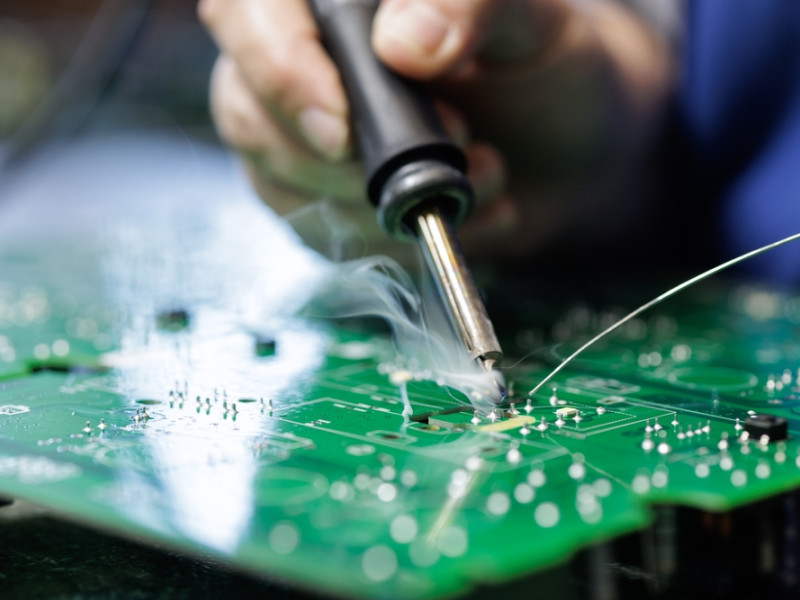
The Dangers Of Soldering Fumes
The thin trail of smoke rising from a soldering iron may disappear quickly, but that does not mean the contaminant has left the air. Heating fl... Read more -
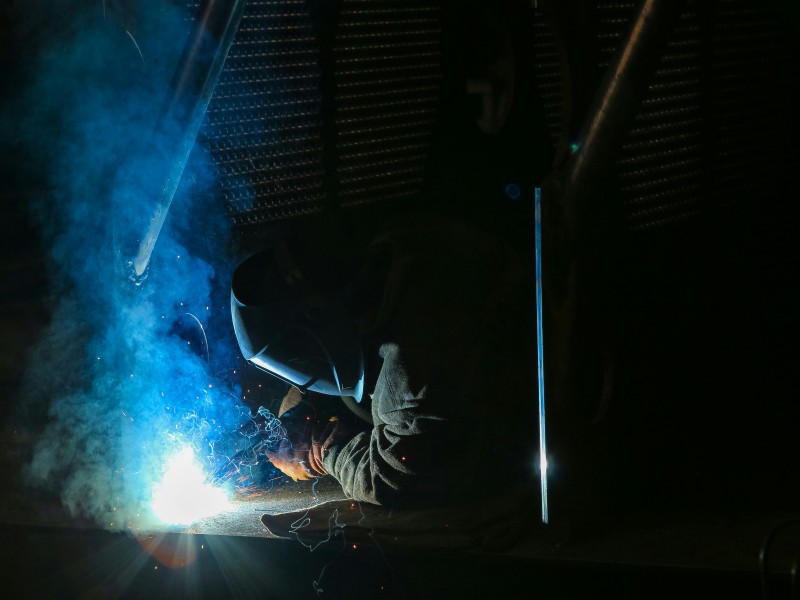
The Most Common Airborne Contaminants Found in Industrial Workspaces
Cutting, heating, spraying, welding and cleaning can all release contaminants into the air. Some are easy to see, such as a cloud of dust, while fine... Read more -
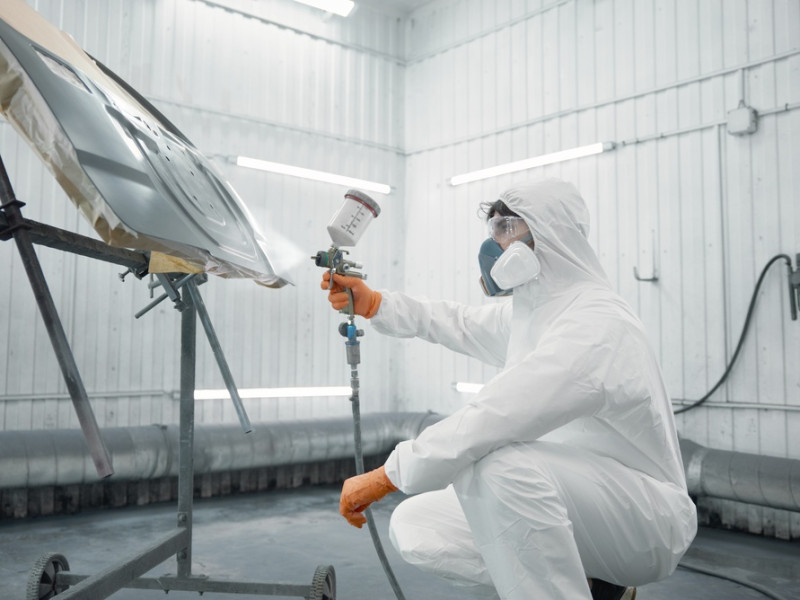
Can Paint Fumes Kill You? How Long They Stay in Your System and What to Do After Exposure
Painting and coating processes can release vapours, gases and fine particles into the air. Without effective controls, employees may inhale these cont... Read more
How Purex can help
We provide an excellent level of service and support, including our 24-hour technical support service and start-to-end projects. Get in touch with our expert team today to find out more.