Can Paint Fumes Kill You? How Long They Stay in Your System and What to Do After Exposure
Painting and coating processes can release vapours, gases and fine particles into the air. Without effective controls, employees may inhale these contaminants while paints are being applied, drying or curing.
The scale of the risk varies depending on the product, application method, airborne concentration and length of exposure. However, controlling paint fumes remains an important part of protecting employees and adhering to Control of Substances Hazardous to Health Regulations (COSHH). So, we've outlined the risks associated with paint fume inhalation and how to combat these hazardous fumes.
What are paint fumes?
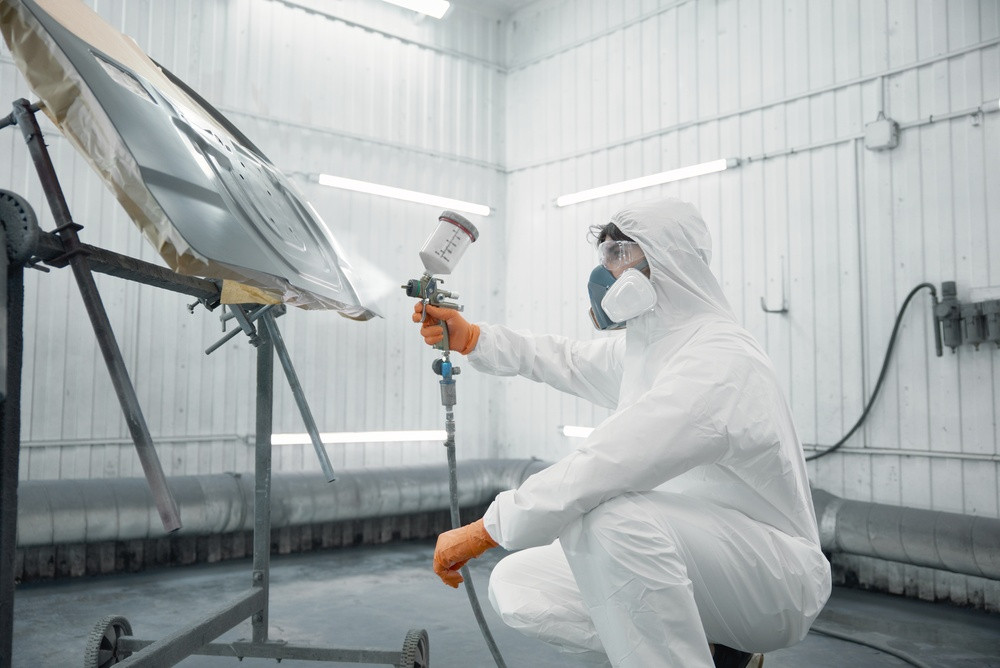
Paint fumes are a mixture of gases, vapours and, in some processes, fine airborne particles released while paint, lacquer, coating or solvent is being used and drying.
The exact composition will depend on the product. Some paints release volatile organic compounds, more commonly known as VOCs, as their liquid ingredients evaporate. Other coatings may contain solvents, hardeners or substances capable of causing irritation, sensitisation or more serious health effects.
Spraying can increase the risk because it creates a fine airborne mist. These particles may be difficult to see, so the absence of a visible cloud does not mean the air is clear.
Some two-pack or 2K paints also contain isocyanates. The Health and Safety Executive identifies these substances as a major cause of occupational asthma and warns that water-based paints can still contain isocyanates.
Can paint fumes kill you?
Yes, severe paint-fume exposure can be life-threatening, although the risk varies considerably between products and situations.
Regularly spraying solvent-based or isocyanate-containing coatings in an enclosed workplace presents a very different risk from briefly using a small quantity of low-VOC paint in a well-ventilated space.
The greatest risks generally arise when:
- Paints or coatings are sprayed
- Large quantities are used in an enclosed or poorly ventilated area
- Employees are repeatedly exposed
- Products contain hazardous solvents or isocyanates
- Extraction is unsuitable, poorly maintained or switched off
- Employees enter a spray area before the airborne mist has cleared
Exposure does not need to cause an immediate emergency to be harmful. Repeated exposure to some substances can contribute to occupational asthma and respiratory sensitisation. Once sensitised, an operator may experience symptoms following exposure to even small amounts.
What are the symptoms caused by inhaling paint fumes?
The effects of inhaling paint fumes depend on the substances involved and the extent of the exposure.
Possible symptoms include:
- Headache
- Dizziness or light-headedness
- Feeling sick
- Irritation of the eyes, nose or throat
- Coughing
- Wheezing
- Chest tightness
- Shortness of breath
- Drowsiness or confusion
Symptoms may occur immediately or develop later. Anyone who experiences severe breathing difficulties, loses consciousness or has a seizure requires emergency medical assistance. Employers should follow their workplace emergency procedures and use the product label and Safety Data Sheet when seeking medical advice.
How long do paint fumes stay in your system?
The majority of fumes inhaled from paint solvents and VOCs stay in the body for at least a few hours but can remain for up to 3 days.
Some short-term symptoms may improve after moving into fresh air, but persistent or worsening symptoms will require medical advice. That's why it's so important to install and commission fume extraction solutions within industrial environments. As it's not only employees at risk, but the business.
How can employers control paint fumes?
You should first assess the products and processes being used, including the substances released and how employees could be exposed. Where possible, hazardous products or spraying methods should be replaced with safer alternatives.
However, where exposure cannot be prevented, suitable controls may include an enclosed spray area, effective local exhaust ventilation (LEV), clearly defined clearance times and appropriate respiratory protective equipment. Respiratory protection should support other control measures rather than replace effective extraction.
Your LEV system must also be correctly designed for the process, maintained in efficient working order and examined and tested at the required intervals. That's where we come in.
With over 40 years' experience in the air filtration industry, we can keep your employees safe by designing, installing and maintaining your LEV fume extraction system to remove airborne contaminants released during industrial painting processes.
Control paint fumes at source with Purex
To learn more about our fume extraction solutions for spray booth applications, alongside professional LEV installation, LEV servicing and LEV testing, enquire today and tell us about your painting or coating process. We'll help you assess your extraction needs and identify a suitable next step.
Latest insights
-
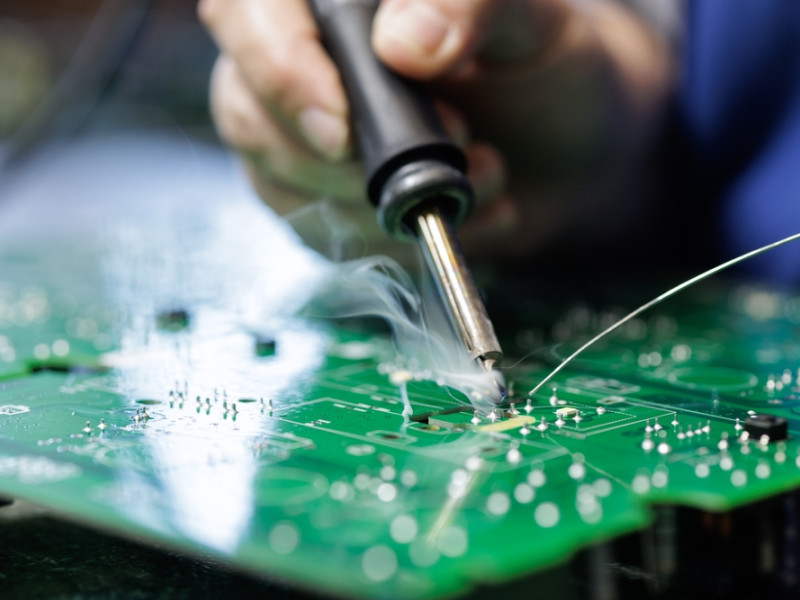
The Dangers Of Soldering Fumes
The thin trail of smoke rising from a soldering iron may disappear quickly, but that does not mean the contaminant has left the air. Heating fl... Read more -
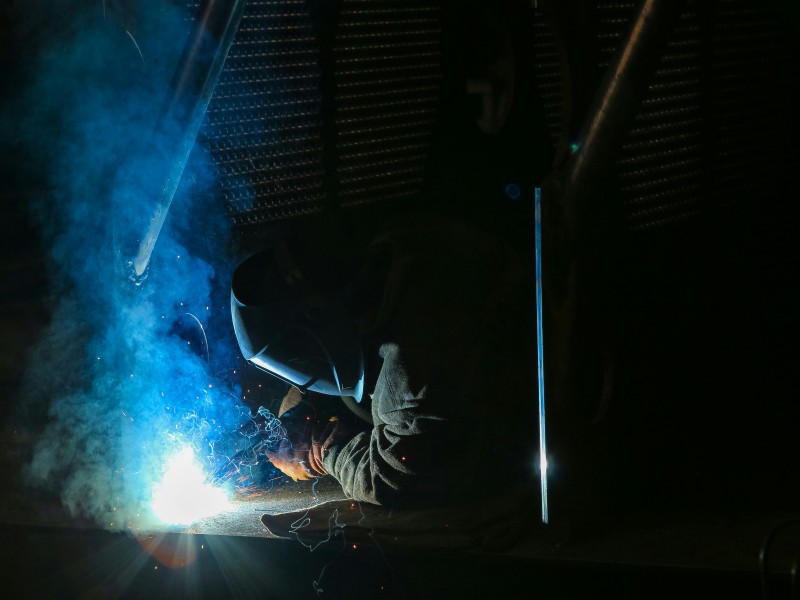
The Most Common Airborne Contaminants Found in Industrial Workspaces
Cutting, heating, spraying, welding and cleaning can all release contaminants into the air. Some are easy to see, such as a cloud of dust, while fine... Read more -
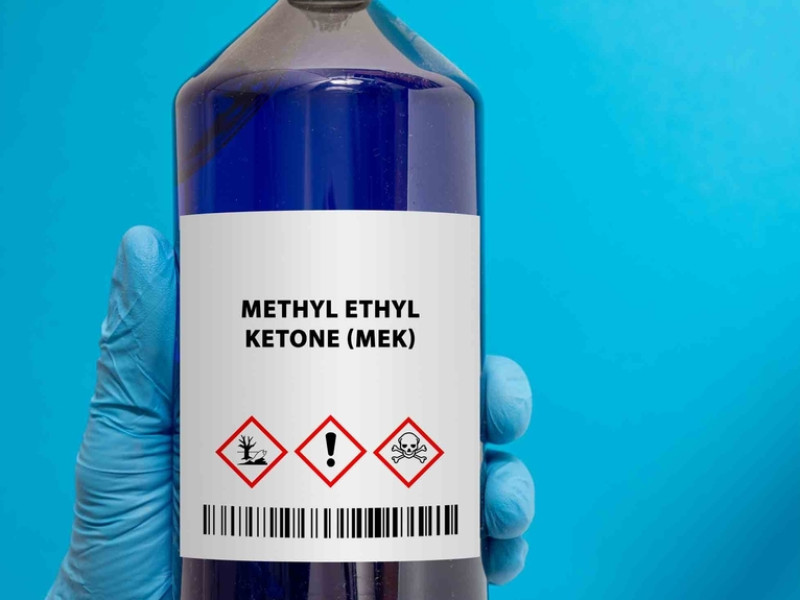
What Is MEK? Workplace Risks and Safety Tips
Methyl ethyl ketone (MEK) is a widely used industrial solvent found in many manufacturing processes. While it plays an important role in industries ra... Read more
How Purex can help
We provide an excellent level of service and support, including our 24-hour technical support service and start-to-end projects. Get in touch with our expert team today to find out more.