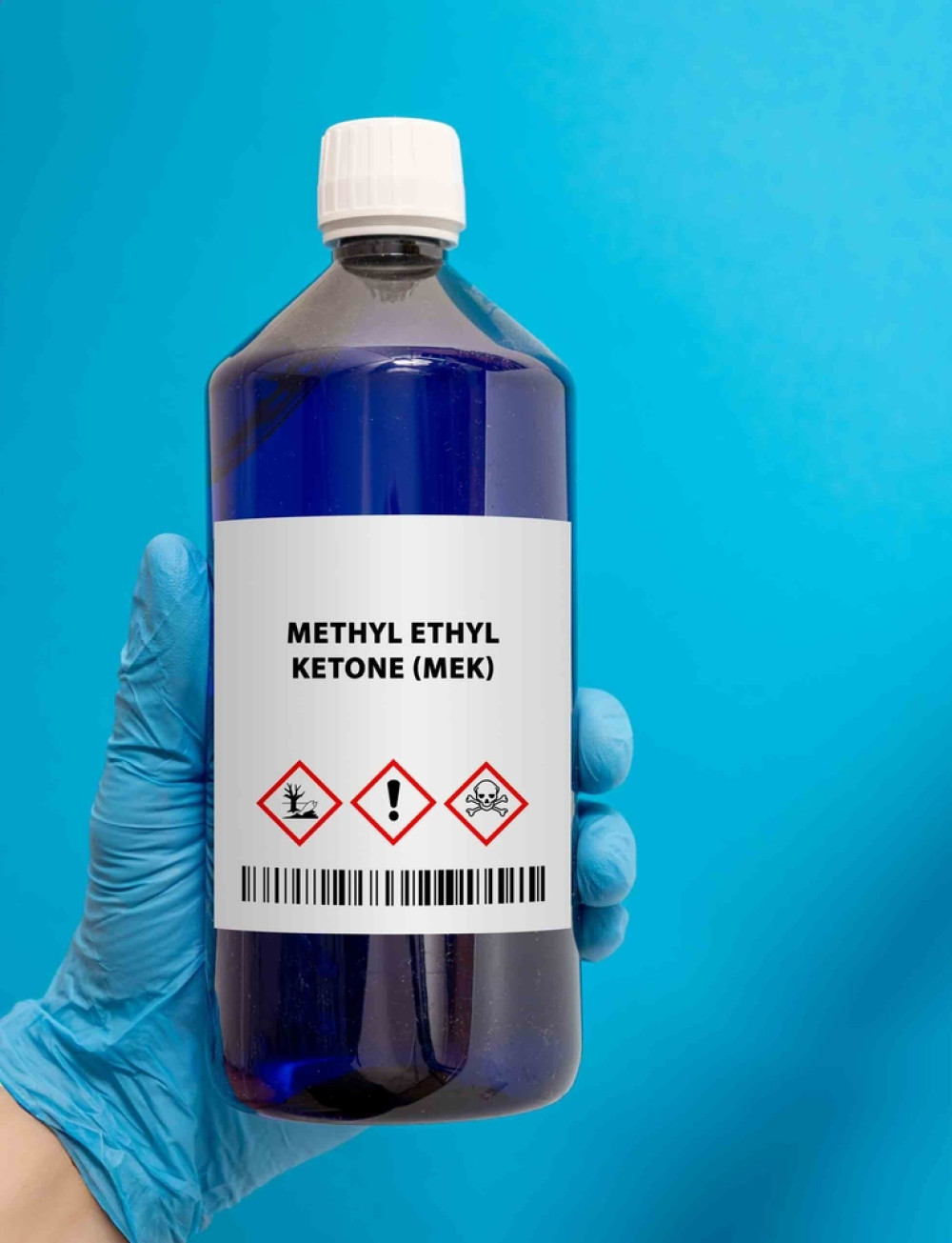
What Is MEK? Workplace Risks and Safety Tips
Methyl ethyl ketone (MEK) is a widely used industrial solvent found in many manufacturing processes. While it plays an important role in industries ranging from automotive production to electronics manufacturing, improper handling and inadequate ventilation can expose workers to potentially harmful vapours.
In this guide, we'll explore the risks associated with methyl ethyl ketone and the practical measures businesses can take to protect their workplace.
What Is MEK?
Methyl ethyl ketone, also known as butanone, is a colourless liquid solvent with a strong, sweet odour. It evaporates quickly and is highly effective at dissolving a wide range of substances, making it a popular choice across many industries.
MEK is commonly used in:
- Paints and coatings
- Adhesives and glues
- Printing inks
- Cleaning and degreasing products
- Rubber and plastic manufacturing
- Electronics production
- Chemical processing
Due to its fast-drying properties, MEK is particularly useful in applications where quick curing or evaporation is required.
Why Is Methyl Ethyl Ketone Used in Manufacturing?
Manufacturers rely on MEK because it offers excellent cleaning and dissolving capabilities. It can remove oils, greases, resins and contaminants from surfaces, helping improve product quality and production efficiency.
Industries such as aerospace, automotive and electronics frequently use MEK during surface preparation, coating application and component cleaning processes.
However, these same properties that make MEK useful can also create airborne vapours that present risks to workers if not properly controlled.
What Are the Hazards of Methyl Ethyl Ketone?
The primary concern with MEK is inhalation exposure. As the solvent evaporates, vapours can accumulate in the workplace atmosphere, particularly in enclosed or poorly ventilated areas.
Short-Term Exposure Risks
Workers exposed to elevated concentrations of MEK vapours may experience:
- Eye irritation
- Nose and throat irritation
- Headaches
- Dizziness
- Nausea
- Fatigue
- Reduced concentration
In high concentrations, exposure can affect the central nervous system, causing symptoms similar to intoxication.
Long-Term Exposure Risks
Repeated or prolonged exposure may contribute to:
- Chronic respiratory irritation
- Dermatitis from repeated skin contact
- Increased sensitivity to other workplace chemicals
- Ongoing headaches and fatigue
Long-term exposure concerns highlight the importance of maintaining effective control measures, particularly in facilities where MEK is used daily.
How Can Workers Be Exposed to MEK?
Inhalation
Breathing in vapours is the most common form of exposure.
This typically occurs during:
- Mixing and blending operations
- Spray application processes
- Cleaning and degreasing activities
- Solvent transfer operations
- Equipment maintenance
Skin Contact
MEK can remove natural oils from the skin, leading to dryness, irritation and dermatitis.
Eye Contact
Splashes or concentrated vapours can irritate the eyes and cause discomfort.
Industries Commonly Using MEK
MEK is widely used across manufacturing sectors, including:
Automotive Manufacturing
MEK is frequently used for surface cleaning, paint preparation and coating applications.
Electronics Manufacturing
The solvent helps clean circuit boards and electronic components during production.
Printing Industry
Printing facilities use MEK in inks and cleaning solutions for equipment maintenance.
Aerospace Manufacturing
MEK assists with surface preparation, adhesive applications and component cleaning.
Chemical Processing
Many chemical production environments use MEK as a solvent within manufacturing processes.
In all of these sectors, effective air quality management is essential to reduce exposure risks.
Workplace Exposure Limits for MEK
Employers should ensure exposure levels remain below applicable workplace exposure limits (WELs). Monitoring airborne solvent concentrations is an important part of a comprehensive occupational hygiene programme.
Regular air quality assessments can help identify problem areas and determine whether existing ventilation systems are performing effectively.
How to Control Methyl Ethyl Ketone Exposure
The most effective approach involves following the hierarchy of control measures.
Substitute Where Possible
If a less hazardous solvent can achieve the same result, substitution should be considered.
Improve Process Design
Closed systems and automated dispensing equipment can reduce the amount of solvent released into the workplace atmosphere.
Implement Local Exhaust Ventilation (LEV)
LEV systems are one of the most effective ways to capture MEK vapours at the source before they reach workers' breathing zones.
A well-designed LEV system can:
- Capture solvent vapours directly from the process
- Reduce airborne contamination
- Improve overall air quality
- Help businesses comply with health and safety regulations
Regular testing and maintenance are essential to ensure LEV systems continue performing effectively.
Install Fume Extraction Systems
For processes generating significant solvent vapours, dedicated fume extraction systems provide an additional layer of protection.
Modern extraction solutions can remove airborne contaminants before they spread throughout the workplace, helping create a cleaner and safer environment.
Use Appropriate PPE
Personal protective equipment should be used alongside engineering controls, not as a replacement for them.
Suitable PPE may include:
- Chemical-resistant gloves
- Safety goggles
- Respiratory protective equipment where required
- Protective clothing
Train Employees
Workers should understand:
- The hazards associated with MEK
- Safe handling procedures
- Emergency response actions
- The correct use of ventilation systems and PPE
Regular training helps reduce the risk of accidental exposure.
The Importance of Air Filtration for MEK Vapours
Many businesses focus on controlling visible dust and fumes, but solvent vapours can be more difficult to detect and manage.
Advanced filtration technologies can help remove volatile organic compounds (VOCs), including MEK vapours, from workplace air. Combined with effective source capture, filtration systems support cleaner air and improved worker protection.
Air quality should be reviewed regularly, particularly when production processes change or solvent usage increases.
How Our Purex Machines Can Help Manage MEK Exposure
Controlling methyl ethyl ketone hazards requires more than simply opening windows or relying on general ventilation. Effective source capture, fume extraction and air filtration systems play a vital role in reducing exposure and protecting employees.
Purex provides advanced fume extraction and air filtration solutions designed to capture airborne contaminants at source. Whether your facility uses MEK during manufacturing, cleaning or coating processes, Purex can help improve workplace air quality, support regulatory compliance and create a safer working environment for your team.
Latest insights
-
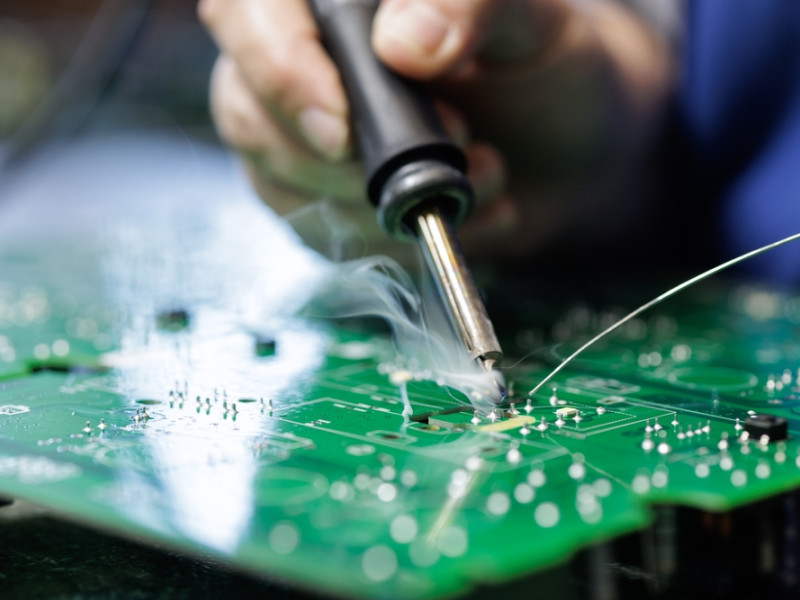
The Dangers Of Soldering Fumes
The thin trail of smoke rising from a soldering iron may disappear quickly, but that does not mean the contaminant has left the air. Heating fl... Read more -
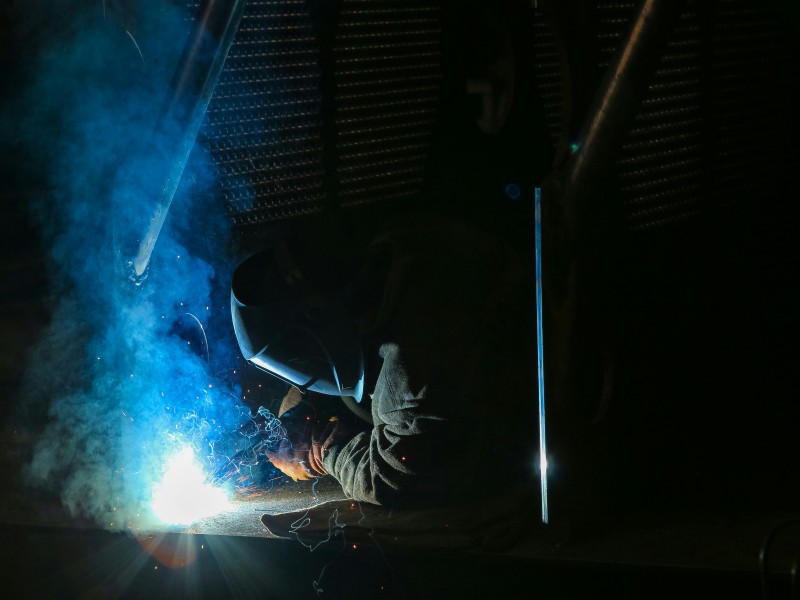
The Most Common Airborne Contaminants Found in Industrial Workspaces
Cutting, heating, spraying, welding and cleaning can all release contaminants into the air. Some are easy to see, such as a cloud of dust, while fine... Read more -
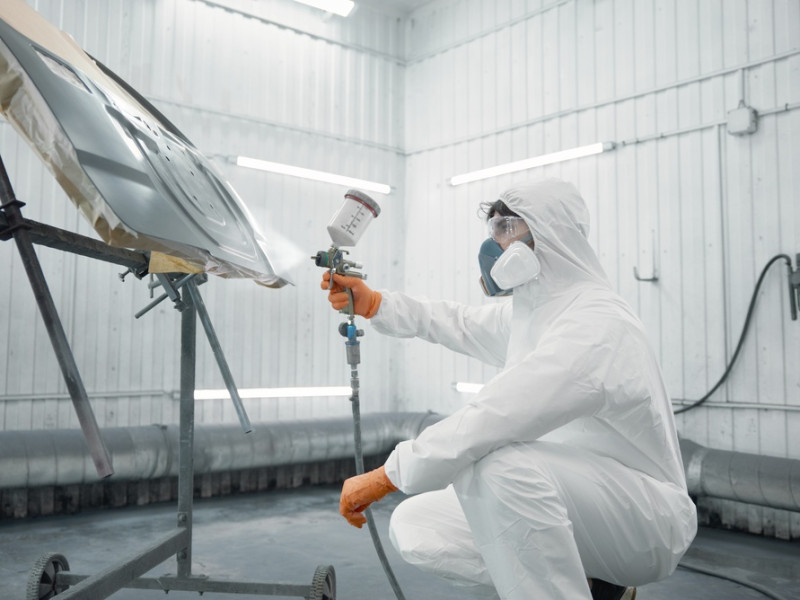
Can Paint Fumes Kill You? How Long They Stay in Your System and What to Do After Exposure
Painting and coating processes can release vapours, gases and fine particles into the air. Without effective controls, employees may inhale these cont... Read more
How Purex can help
We provide an excellent level of service and support, including our 24-hour technical support service and start-to-end projects. Get in touch with our expert team today to find out more.