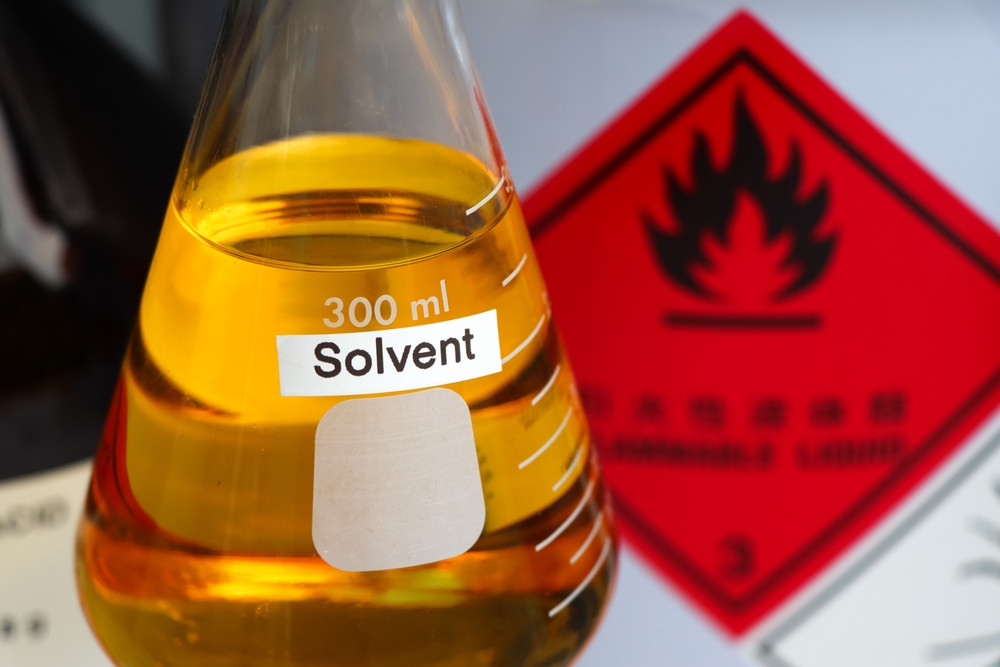
How to Reduce Solvent Exposure Risks in the Workplace
If you've ever wondered what a solvent is, how exposure can affect workers, or what steps businesses can take to reduce risks, this guide covers everything you need to know. We'll also explore why effective fume extraction systems like ours are becoming increasingly important in workplaces where solvents are regularly used.
Explore our product collection
What Is a Solvent?
A solvent is a substance, usually a liquid, that dissolves another material to create a solution. Solvents are commonly used to dissolve, dilute, clean, degrease, extract, or transport other substances during manufacturing and industrial processes.
Some of the most common solvents include:
|
Common solvents |
Isopropyl alcohol (IPA), ethanol, methanol, toluene, Xylene, white spirit, methyl ethyl ketone (MEK). |
|
Where solvents are used |
Paints and coatings, adhesives and glues, cleaning products, printing inks, electronics manufacturing, and pharmaceutical production. |
Many solvents evaporate quickly, which makes them highly effective for industrial applications. However, this same characteristic means they can release potentially harmful vapours into the air.
Why Are Solvents Used in Industry?
Solvents are valued because they can efficiently dissolve substances that water cannot. This makes them essential for cleaning, manufacturing, coating, extraction and production processes.
For example:
- Electronics manufacturers use solvents to clean delicate components.
- Pharmaceutical companies use solvents during drug production.
- Automotive businesses use solvents in paints, coatings and cleaning solutions.
- Printing companies rely on solvents to carry inks and pigments.
Without solvents, many modern manufacturing processes would be significantly slower, less efficient or impossible to perform.
Are Solvents Dangerous?
Not all solvents present the same level of risk, but many can be hazardous when workers are exposed to them repeatedly or in high concentrations.
The main concern is inhalation. As solvents evaporate, they release vapours that can enter the respiratory system and bloodstream.
Some solvents may also be absorbed through the skin or accidentally ingested if appropriate hygiene measures are not followed.
The severity of the risk depends on factors such as the type of solvent being used, the concentration of vapours present, the duration of exposure, workplace ventilation levels, individual health conditions and whether appropriate controls are in place.
What Is Solvent Poisoning?
Solvent poisoning occurs when the body absorbs harmful amounts of solvent chemicals, either through inhalation, skin contact or ingestion.
The effects can occur suddenly after a large exposure or gradually over time through repeated exposure to lower concentrations.
Acute solvent poisoning often develops when workers are exposed to high levels of vapour in confined or poorly ventilated spaces.
Chronic solvent poisoning can develop after months or years of repeated exposure without adequate control measures.
Solvent Poisoning Symptoms
Recognising solvent poisoning symptoms early is essential for protecting worker health and preventing more serious complications.
Here is a graph explaining the different types of exposure and the possible systems that can occur with exposure.
|
Exposure Type |
Potential Symptoms |
|
Short-term solvent exposure symptoms |
Headaches, dizziness, light-headedness, nausea, eye irritation, nose irritation, throat irritation, fatigue, difficulty concentrating, drowsiness, confusion |
|
Additional short-term effects |
In some cases, symptoms may resemble intoxication because solvents can have on the central nervous system. |
|
Severe solvent exposure symptoms |
Loss of coordination, blurred vision, breathing difficulties, vomiting, unconsciousness, seizures, cardiac complications |
|
Important note |
Immediate medical attention should be sought if severe symptoms occur. |
|
Long-term solvent exposure symptoms |
Memory problems, reduced concentration, mood changes, chronic headaches, liver damage |
Some solvents have also been linked to long-term occupational health concerns, making workplace monitoring and exposure control critical.
Which Industries Are Most at Risk?
Many workplaces handle solvents safely every day, but some industries face a greater likelihood of exposure due to the volume or frequency of solvent use.
Industries commonly exposed to solvent vapours include:
Electronics Manufacturing
Solvents are frequently used for cleaning printed circuit boards, removing residues and preparing components for assembly.
Pharmaceutical Manufacturing
Many pharmaceutical processes require solvents for extraction, purification and production activities.
Printing and Packaging
Printing inks often contain solvents that release vapours during production.
Automotive Manufacturing and Repair
Paint spraying, coating applications and cleaning processes can generate significant solvent fumes.
Aerospace Engineering
Specialist coatings, adhesives and cleaning products often contain volatile solvents.
Chemical Processing
Large-scale handling and transfer of solvents can increase airborne vapour concentrations if controls are inadequate.
How Do Solvent Vapours Affect Indoor Air Quality?
When solvents evaporate, they release volatile organic compounds (VOCs) into the surrounding environment.
Poorly controlled VOC emissions can negatively affect indoor air quality and create several challenges, including:
- Health risks for employees
- Reduced workplace comfort
- Potential compliance issues
- Product contamination risks
- Increased odours throughout facilities
Maintaining clean air becomes particularly important in environments where product quality and employee wellbeing are closely linked.
How Can Businesses Reduce Solvent Exposure?
The most effective approach involves combining several control measures.
Substitute Hazardous Solvents Where Possible
Some businesses may be able to replace highly hazardous solvents with safer alternatives that generate fewer harmful vapours.
Implement Safe Working Procedures
Training employees on correct handling, storage and disposal procedures can significantly reduce exposure risks.
Use Appropriate Personal Protective Equipment
Respiratory protection, gloves and protective clothing may be required depending on the solvent and application.
However, PPE should not be the only control measure.
Improve Ventilation
General ventilation can help dilute airborne contaminants, although it may not always provide sufficient protection in high-risk environments.
Install Fume Extraction Systems
Capturing solvent vapours directly at the source is often one of the most effective methods of reducing airborne contamination.
This is where dedicated fume extraction systems play an important role.
What Is a Solvent Fume Extraction System?
A solvent fume extraction system is designed to capture, filter and remove hazardous airborne contaminants before they can spread throughout the workplace.
Rather than allowing vapours to circulate freely, extraction systems draw contaminated air away from the source and pass it through specialist filtration technologies.
Depending on the application, filtration may include:
- Pre-filters for larger particles
- HEPA filters for fine particulates
- Activated carbon filters for solvent vapours and VOCs
- Advanced chemical filtration media
The result is cleaner air for employees and improved environmental control.
Why Is Source Capture Important?
One of the biggest challenges with solvent vapours is how quickly they disperse throughout a workspace.
Once contaminants spread, they become more difficult to control.
Source capture works by extracting fumes directly where they are generated, preventing widespread contamination and reducing worker exposure.
This approach is often significantly more effective than relying solely on general room ventilation.
How Purex Fume Extraction Systems Help Control Solvent Vapours
For businesses working with solvents, investing in reliable fume extraction technology can make a substantial difference to workplace safety and air quality.
At Purex, we provide advanced fume extraction solutions designed to capture and filter hazardous airborne contaminants generated during industrial processes.
Our systems are used across a wide range of sectors, including:
- Electronics manufacturing
- Pharmaceutical production
- Laser processing
- Industrial manufacturing
- Laboratory environments
- Printing applications
By removing solvent vapours and VOCs at source, Purex systems help businesses:
- Improve workplace air quality
- Reduce employee exposure
- Support compliance with health and safety requirements
- Protect sensitive products and processes
- Create cleaner, safer working environments
FAQs
What is a solvent in simple terms?
A solvent is a liquid that dissolves another substance to form a solution. Common examples include alcohol, acetone and white spirit.
Can solvent fumes make you ill?
Yes. Exposure to solvent vapours can cause headaches, dizziness, nausea, irritation and, in severe cases, more serious health complications.
What are the symptoms of solvent poisoning?
Common solvent poisoning symptoms include headaches, dizziness, nausea, fatigue, confusion and irritation of the eyes, nose and throat. Severe exposure can result in breathing difficulties or unconsciousness.
How do solvents enter the body?
Solvents can enter the body through inhalation, skin absorption and accidental ingestion.
What industries use solvents the most?
Industries including electronics manufacturing, pharmaceuticals, printing, automotive, aerospace and chemical processing frequently use solvents.
What is a solvent fume extraction system?
A solvent fume extraction system captures airborne solvent vapours at source and filters them before they can spread throughout the workplace.
Do activated carbon filters remove solvent vapours?
Yes. Activated carbon filtration is widely used to adsorb many solvent vapours and VOCs from contaminated air streams.
Latest insights
-
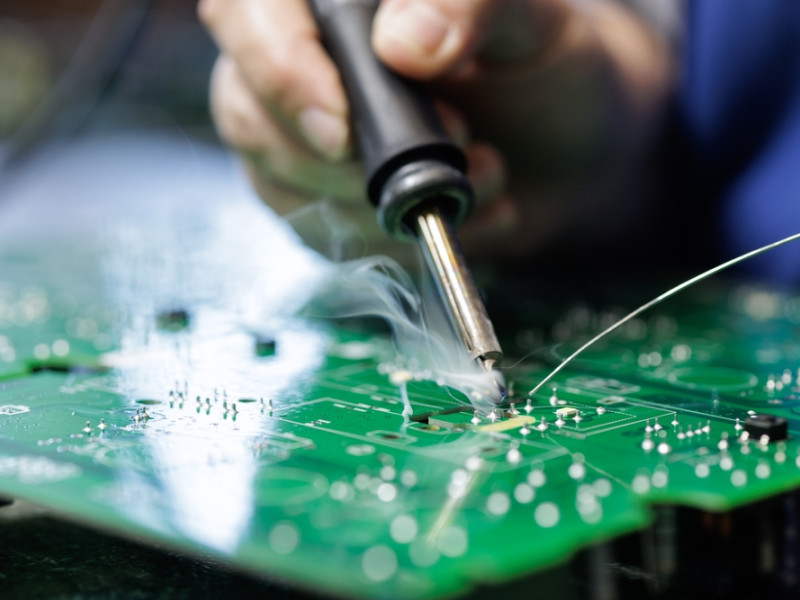
The Dangers Of Soldering Fumes
The thin trail of smoke rising from a soldering iron may disappear quickly, but that does not mean the contaminant has left the air. Heating fl... Read more -
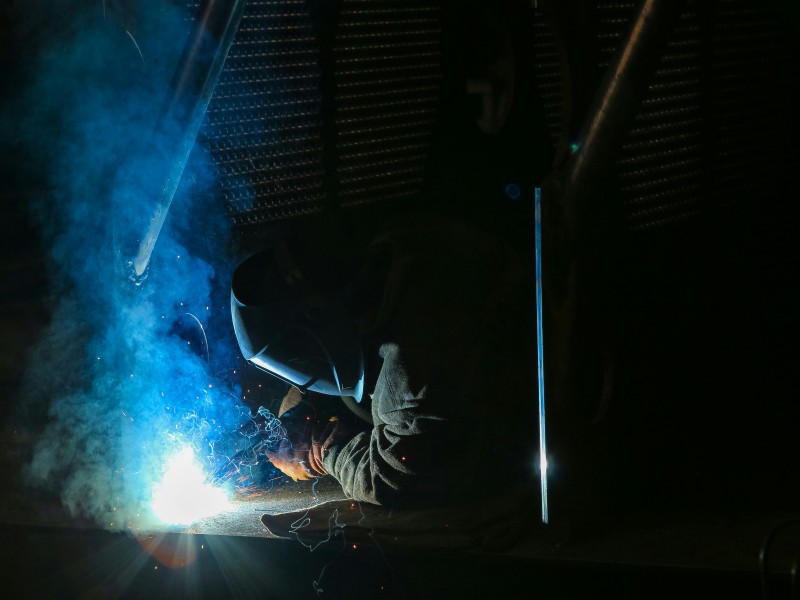
The Most Common Airborne Contaminants Found in Industrial Workspaces
Cutting, heating, spraying, welding and cleaning can all release contaminants into the air. Some are easy to see, such as a cloud of dust, while fine... Read more -
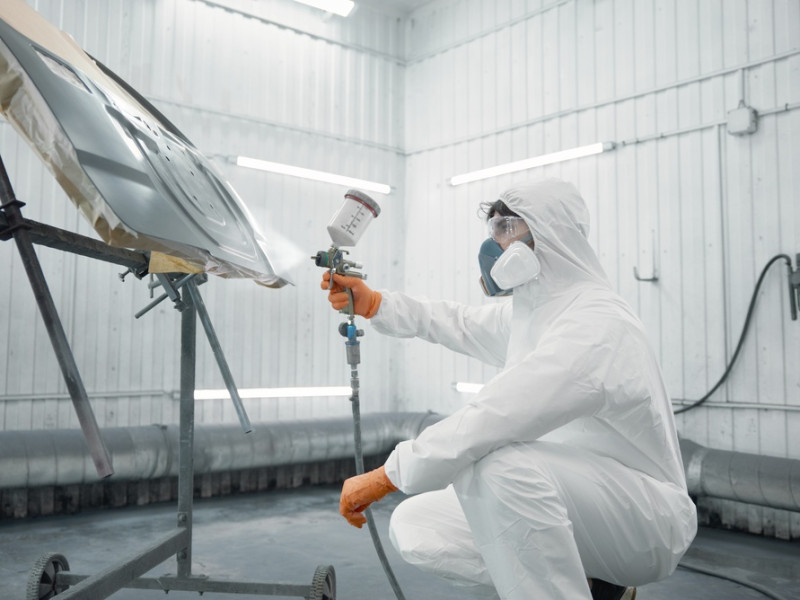
Can Paint Fumes Kill You? How Long They Stay in Your System and What to Do After Exposure
Painting and coating processes can release vapours, gases and fine particles into the air. Without effective controls, employees may inhale these cont... Read more
How Purex can help
We provide an excellent level of service and support, including our 24-hour technical support service and start-to-end projects. Get in touch with our expert team today to find out more.