How to Tell If Your Workplace Air Is Making Staff Ill
Most workplace hazards are easy to spot. A wet floor, exposed machinery or trailing cables all present obvious risks.
Airborne contaminants are different.
Employees can breathe in harmful dust, fumes, vapours or mist every day without realising it. Over time, this exposure may lead to headaches, respiratory problems, fatigue or even long-term occupational illnesses.
If several members of staff are experiencing similar symptoms, it may not be a coincidence. It could be a sign that your workplace air quality needs investigating.
This guide explains the warning signs to look for, why they happen and when air quality monitoring in the workplace should be considered.
What Is Poor Indoor Air Quality?
Poor indoor air quality occurs when the air inside a building contains contaminants that may affect people's health or well-being.
These contaminants can include:
- Dust from manufacturing or woodworking
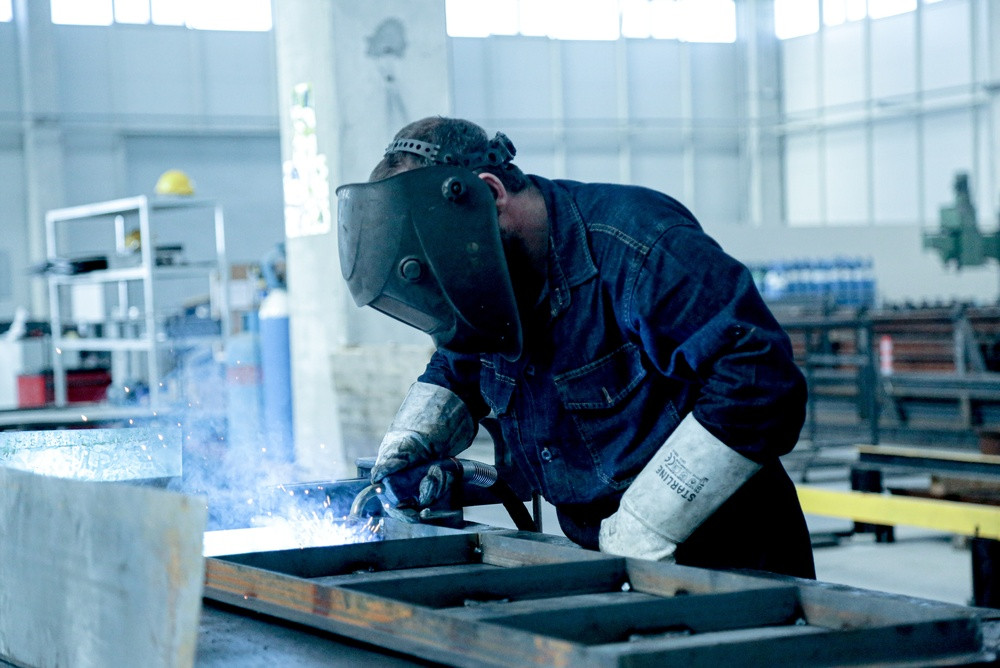
- Welding fumes
- Chemical vapours
- Solvent fumes
- Metal particles
- Smoke
- Oil mist
- Fine particulate matter
- Biological contaminants such as mould
Some contaminants are visible, but many are completely invisible and odourless, making them much harder to detect without monitoring.
Signs Your Workplace Air Could Be Affecting Staff
Staff Frequently Complain of Headaches
If your employees regularly experience headaches during work that improve after leaving the building, poor air quality may be contributing to this problem.
Airborne chemicals, inadequate ventilation or elevated contaminant levels can all affect comfort and concentration.
Persistent Coughs or Breathing Problems
If your staff are experiencing frequent coughing, wheezing, chest tightness or shortness of breath should never be ignored.
These symptoms may indicate exposure to dust, fumes or airborne particles that require investigation under COSHH.
Eye, Nose or Throat Irritation
Burning eyes, sore throats or irritated nasal passages are common signs of exposure to airborne contaminants.
If multiple employees report similar symptoms, it's worth assessing the environment.
Staff Feel Better Away from Work
One of the biggest indicators is when symptoms disappear during evenings, weekends or holidays, then returning shortly after employees are back at work.
This pattern can suggest the workplace environment is contributing to the problem.
Dust Builds Up Quickly
Visible dust settling on machinery, work surfaces or equipment can indicate airborne particles are circulating throughout the workplace.
Even if the dust appears harmless, fine particles can remain suspended in the air long after larger particles have settled.
Strong Odours Are Regularly Present
While smell alone doesn't determine whether air is safe, persistent chemical or solvent odours may indicate airborne contaminants are not being effectively captured or extracted.
Why Air Quality Monitoring Matters
Not all airborne contaminants can be seen or smelt.
That's why air quality monitoring in the workplace is often the only reliable way to understand what employees are actually breathing.
Monitoring measures airborne substances and compares exposure levels against Workplace Exposure Limits (WELs), helping employers determine whether existing controls are working effectively.
The results can also identify trends before they become serious health issues.
When Should You Carry Out Air Quality Monitoring?
|
Situation |
Why air quality monitoring is important |
|
Welding fumes contain hazardous metal particles and gases that should be monitored to ensure exposure remains below Workplace Exposure Limits (WELs). |
|
|
Laser cutting produces fine particulates and potentially harmful fumes depending on the material being processed. |
|
|
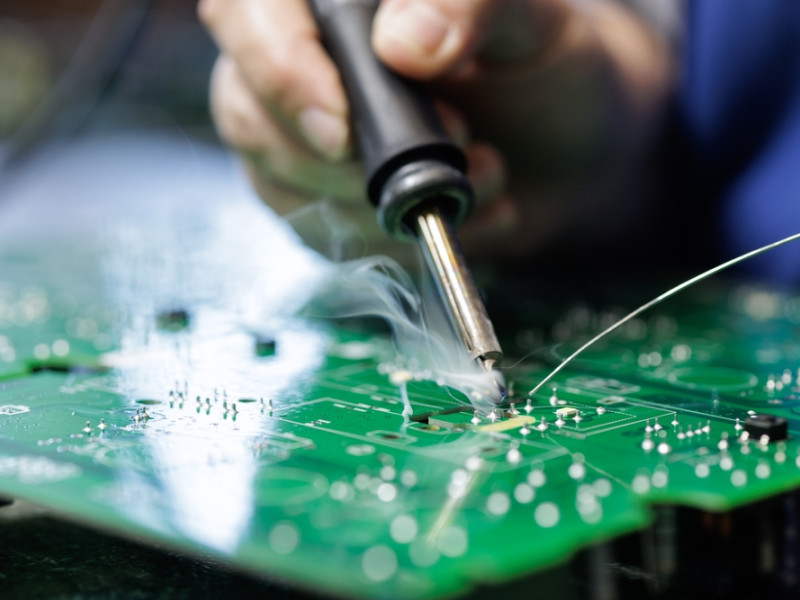
Soldering may release flux fumes and other airborne contaminants that can affect respiratory health over time. |
|
|
Solvents, vapours and other chemicals can become airborne, making monitoring essential for protecting staff. |
|
|
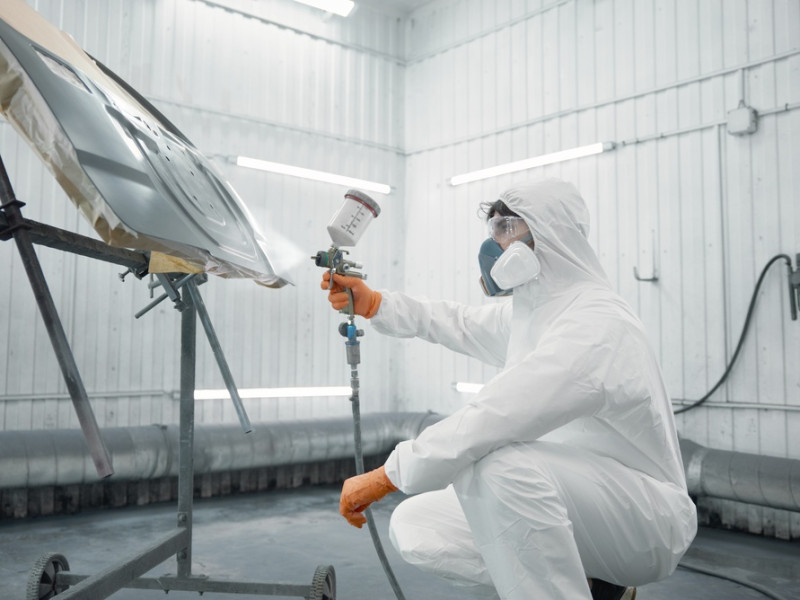
Paint mists and volatile organic compounds (VOCs) can quickly build up if extraction systems are ineffective. |
|
|
Pharmaceutical production |
Active ingredients and fine powders may become airborne during manufacturing processes, requiring careful monitoring. |
|
Many manufacturing activities generate dust, fumes or particulates that may not be visible but can still pose health risks. |
|
|
Woodworking |
Wood dust is a recognised respiratory hazard, particularly when machining, sanding or cutting timber. |
|
Food production |
Ingredients such as flour, spices and powdered additives can create airborne dust that affects both health and product quality. |
|
Laboratories may use chemicals, powders and biological materials that require effective air quality management. |
|
|
New processes are introduced |
Changes to production methods can create new airborne hazards that haven't previously been assessed. |
|
Employees report health concerns |
Repeated complaints of headaches, coughing, breathing difficulties or irritation may indicate an air quality issue. |
|
Any changes to extraction systems should be supported by monitoring to confirm they continue performing effectively. |
|
|
Exposure risks have changed |
New materials, equipment or increased production volumes may alter airborne contaminant levels. |
|
COSHH assessments identify uncertainty |
If a COSHH assessment cannot confidently determine employee exposure, air quality monitoring provides evidence to support appropriate control measures. |
What Does HSG258 Say?
The HSG258 Controlling Airborne Contaminants at Work guidance, published by the Health and Safety Executive, provides practical advice on designing, using, testing and maintaining Local Exhaust Ventilation (LEV) systems.
It emphasises that simply installing extraction equipment isn't enough. Systems must be properly examined, maintained and tested to ensure they continue to control airborne contaminants effectively.
Using air monitoring alongside LEV testing provides valuable evidence that control measures are functioning as intended.
Can LEV Solve Air Quality Problems?
Where airborne contaminants are generated at source, Local Exhaust Ventilation is often one of the most effective control measures.
Rather than allowing contaminants to spread throughout the workplace, LEV captures them before employees breathe them in.
However, even the best-designed system requires:
- Thorough Examination and Test (TExT)
- Filter maintenance
- Performance monitoring
- Employee training
Without ongoing maintenance, extraction performance can gradually decline.
Creating a Healthier Workplace
Good workplace air quality isn't just about compliance. It helps protect employees, reduce sickness absence and create a healthier, more productive working environment.
By recognising the early warning signs and carrying out air quality monitoring in the workplace, businesses can identify potential problems before they develop into long-term health risks.
Combined with well-maintained LEV systems, regular monitoring provides confidence that airborne contaminants are being effectively controlled.
How Purex Can Help Create a Safer Workplace
At Purex, we help businesses identify, monitor and control airborne contaminants through specialist extraction systems, LEV servicing and workplace air quality expertise. Our team can help you create a safer working environment.
Contact Purex today to discuss the right air quality solution for your workplace.
Latest insights
-
The Dangers Of Soldering Fumes
The thin trail of smoke rising from a soldering iron may disappear quickly, but that does not mean the contaminant has left the air. Heating fl... Read more -
The Most Common Airborne Contaminants Found in Industrial Workspaces
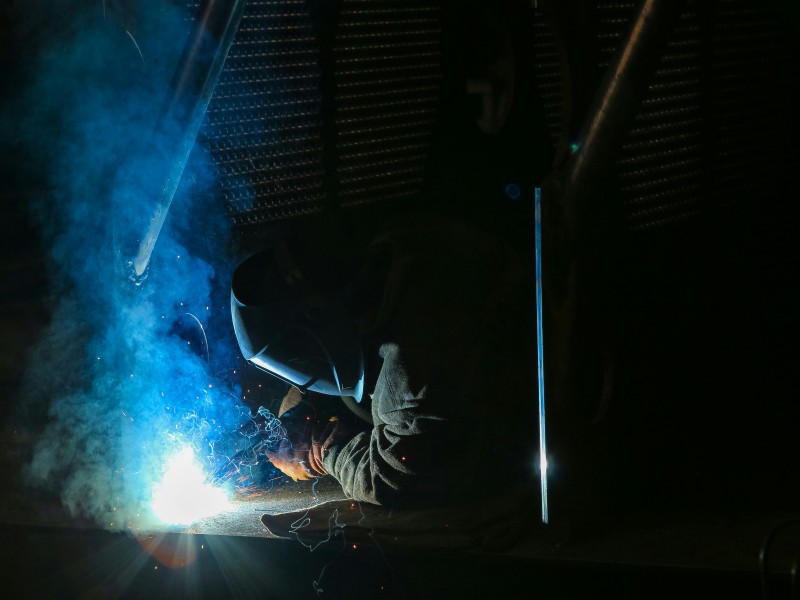
Cutting, heating, spraying, welding and cleaning can all release contaminants into the air. Some are easy to see, such as a cloud of dust, while fine... Read more -
Can Paint Fumes Kill You? How Long They Stay in Your System and What to Do After Exposure
Painting and coating processes can release vapours, gases and fine particles into the air. Without effective controls, employees may inhale these cont... Read more
How Purex can help
We provide an excellent level of service and support, including our 24-hour technical support service and start-to-end projects. Get in touch with our expert team today to find out more.